Experimental constraints on the shock history of CI chondrites and Ryugu grainsOPEN ACCESS
Toru Nakahashi, Masaaki Miyahara, Akira Yamaguchi, Takamichi Kobayashi, Hitoshi Yusa, Masashi Miyakawa, Naotaka Tomioka, Yuto Takaki, Takaaki Noguchi, Toru Matsumoto, Akira Miyake, Yohei Igami, Yusuke Seto
“Highlight
- Impact-induced petrographic and mineralogic changes on CI chondrites are revealed.
- Shock pressures below ∼4 GPa cause little to no structural changes.
- Dehydration and degassing of Mg-Fe phyllosilicates become significant above ∼4 GPa.
- Melting and formation of iron-rich amorphous material occur above ∼10 GPa.
- Ryugu’s regolith formed primarily through reassembly of impact-fragmented material.”
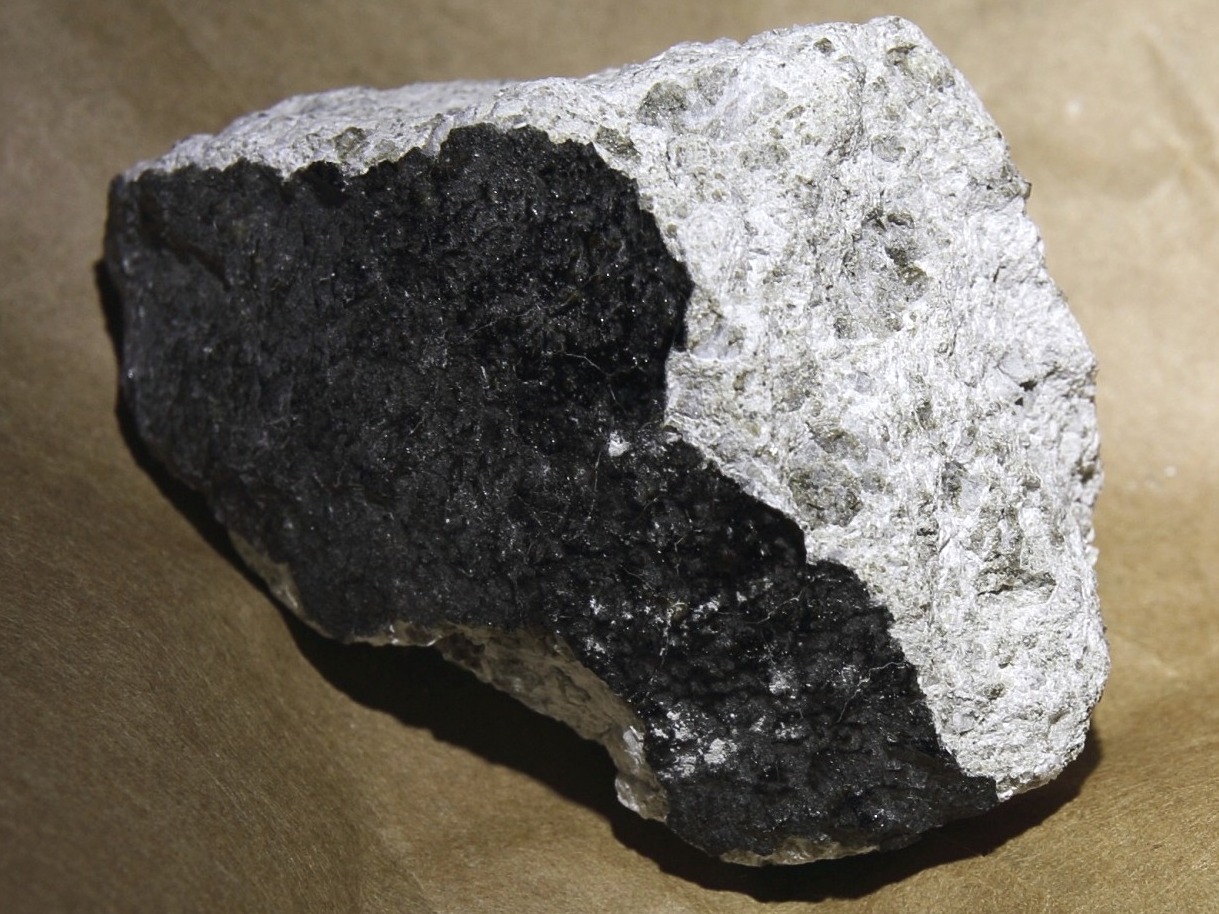
“C-type asteroids, which make up a significant portion of the main belt asteroids, are believed to be composed of materials similar to CI and CM carbonaceous chondrites. In this study, we conducted shock recovery experiments on the Orgueil CI and CI affinity Yamato 980115 CY (partly dehydrated CI) chondrites to examine their mineralogical and textural changes under impact conditions. Our results indicate that weak shock pressures below approximately 4 GPa do not produce significant shock metamorphic features, supporting the current interpretation that most Ryugu grains experienced shock pressures within this range. Above approximately 4 GPa, dehydration and degassing of Mg-Fe phyllosilicates and carbonaceous materials become dominant, leading to rock fragmentation along cracks. Rock melting initiates above approximately 10 GPa, leading to the formation of frothy regions composed of iron-rich amorphous material containing numerous small, rounded voids. These voids are generated by the degassing of volatiles (H₂O and CO₂) during shock-induced melting or vitrification. These findings suggest that the regolith layer of asteroid Ryugu was primarily formed by the reassembly of rock fragments exfoliated by impacts without undergoing strong shock metamorphism. However, highly shocked materials may be buried beneath the regolith layer, highlighting the need for further investigations into the interiors of C-type asteroids to better understand their thermal and impact histories.”