Ruamāhanga (prov.) meteorite fall (~ 73-75 g, OC) near Masterton / Whakaoriori, Greater Wellington Region, Wairarapa, North Island, Aotearoa / New Zealand at 10:26:02-07 (UTC) on 28 July 2026
Last update: 14 August 2026 (17:00 CEST)
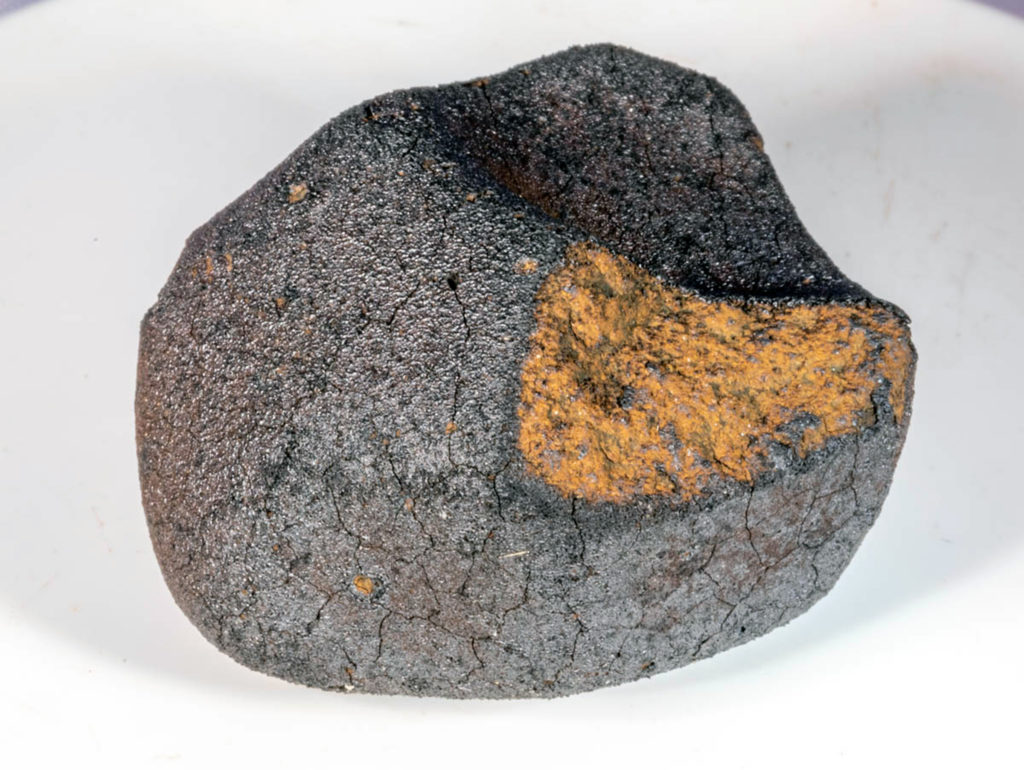
After ten days of searching at least six meteorites (e.g. 5 g, 8 g (Steve Wyn-Harris, 31 July), 9 g (3 August), 12 g (2 August) and 39 g (Liam McGovern, 3 August ?), apparently ordinary chondrites) of the bolide above New Zealand’s lower North Island at ~10:26:02-07 UTC (22:26:02-07 NZST) on 28th July 2026 have been found on private farmland near location 40°54’22.4″S, 175°41’49.1″E, about 5.5 kilometres north-northeast of Masterton, Wairarapa by members of a 12-people search team (Steve Wyn-Harris, Dr Marshall Palmer, Bruce Charlier, Don French and others) organized by Fireballs Aotearoa. A sixth meteorite had crashed onto the driveway of a house and fragmented into several smaller pieces. The meteorites were found on private paddocks and farmland near and on the riverbanks at both sides of Ruamāhanga River. The calculated fall area is about 6 kilometres long and 2 kilometres wide. The meteorite fall, New Zealand’s eleventh meteorite, is being classified by Dr Marshall Palmer at the University of Otago in Dunedin. The name Ruamāhanga, which means ‘twin-forks of a tree’, was suggested by Wyn-Harris because eyewitnesses had said the bolide split into luminous branches as it fragmented in the atmosphere.
The atmospheric trajectory of the fireball and the dark flight trajectory were calculated by scientists from New Zealand, Canada and Scotland based on Fireballs Aotearoa’s meteor camera recordings. The meteoroid with an initial mass between about 10 to 20 kg was recorded entering Earth’s atmosphere at a rather steep angle at an altitude of ~90 km with an entry speed of 14 km/s. At an altitude of about 30 km above the ground the meteoroid started to fragment during several fragmentation events (apparently including two larger ones). After about 6 to 7 seconds at the end of its luminous trail at an altitude of about 18 km the remaining mass had a terminal speed of about 2 km/s.
More meteorites could probably be found up to four or five kilometres north of Masterton. Steve Wyn-Harris calls out to the public saying “Should people find black rocks in the area surrounding Masterton that they suspect could be a meteorite, they should photograph the rock and location, carefully bag the sample and contact FireballsAotearoa@gmail.com to confirm its origin. Please respect landowners rights!”
Interview with Steve Wynn-Harris on RNZ Afternoons at 1:10 pm (NZST) on 6 August 2026 (13:55 min.)
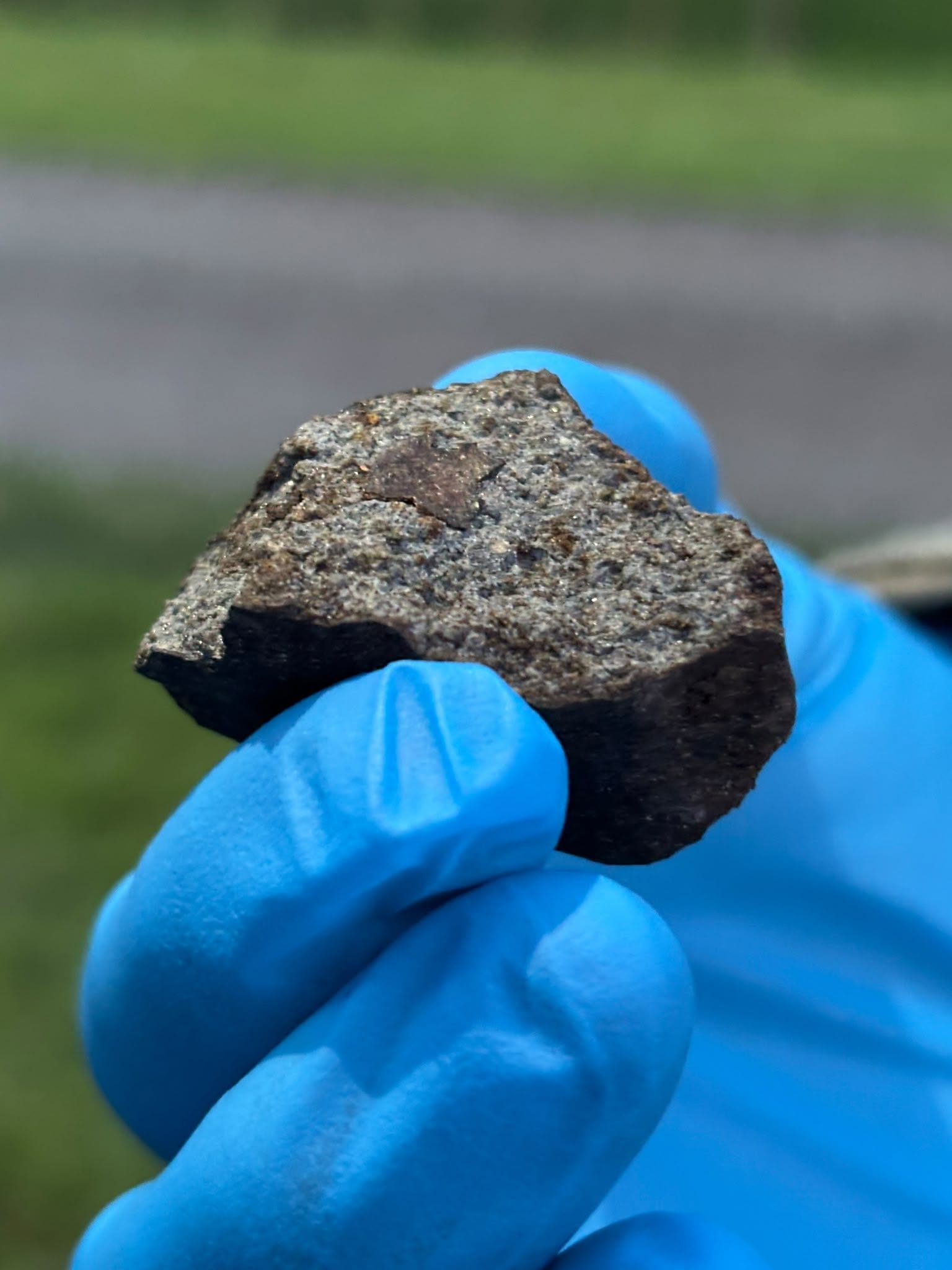
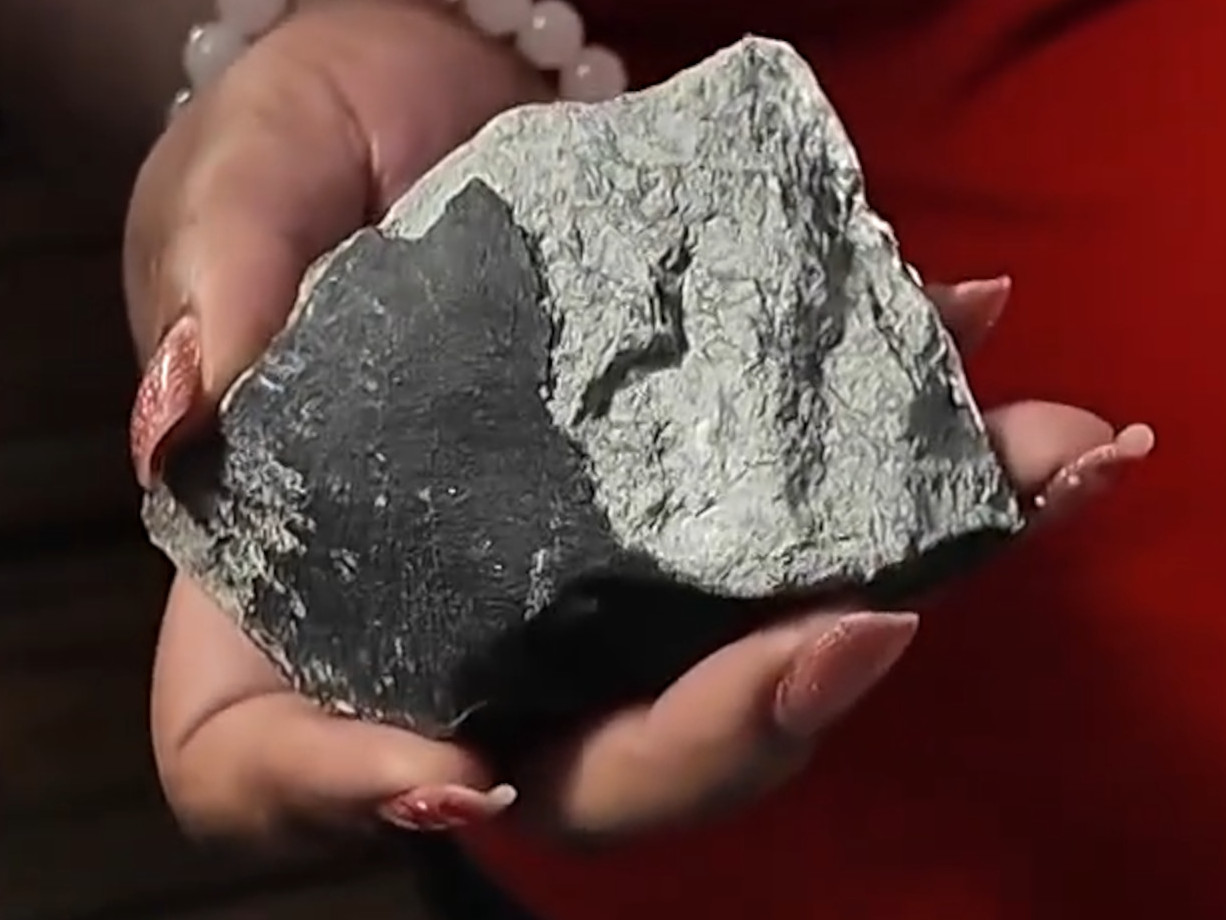
The largest fragment weighing about 39 grams was found by geology PhD student Liam McGovern, probably on 3 August 2026. Photo: Bruce Charlier
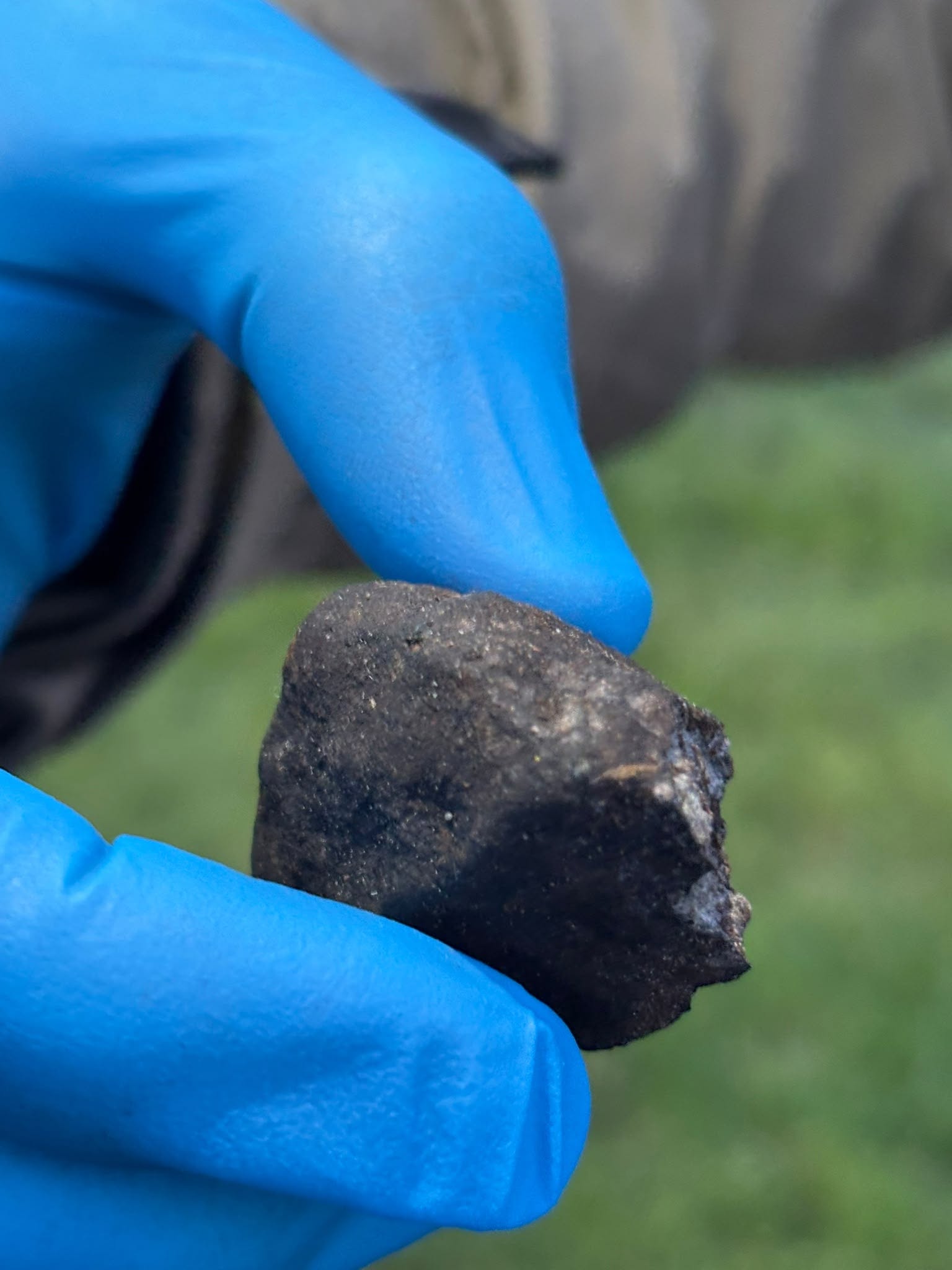
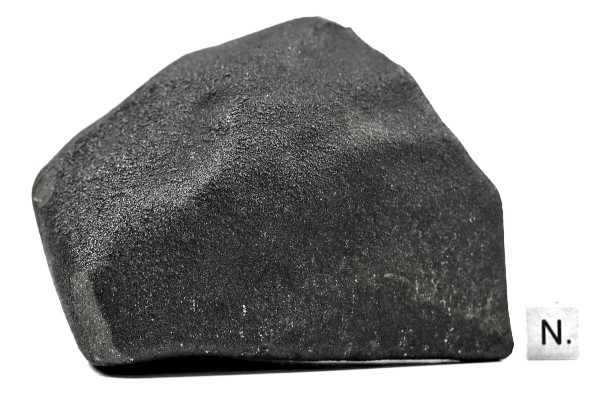
Meteorite specimen. Photo: Don French
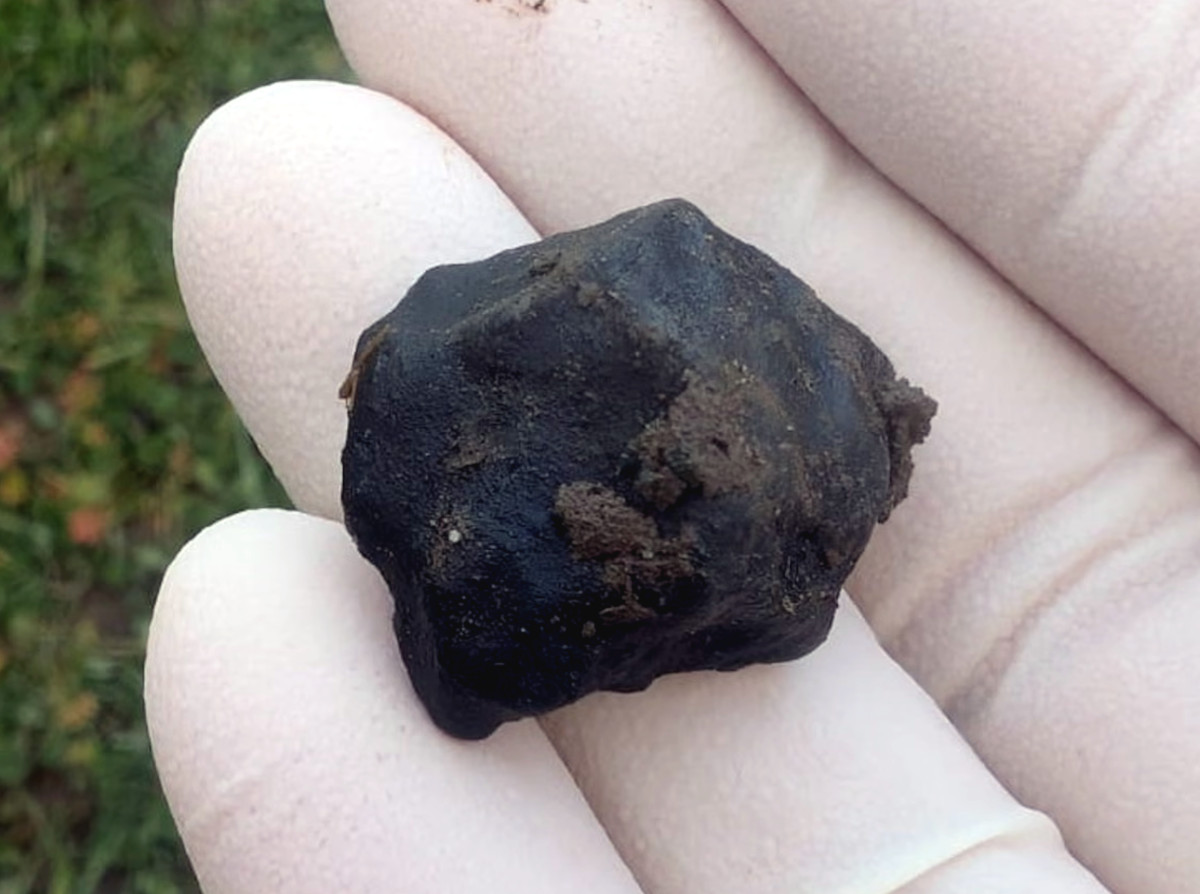
Meteorite specimen. Photo: Fireballs Aotearoa
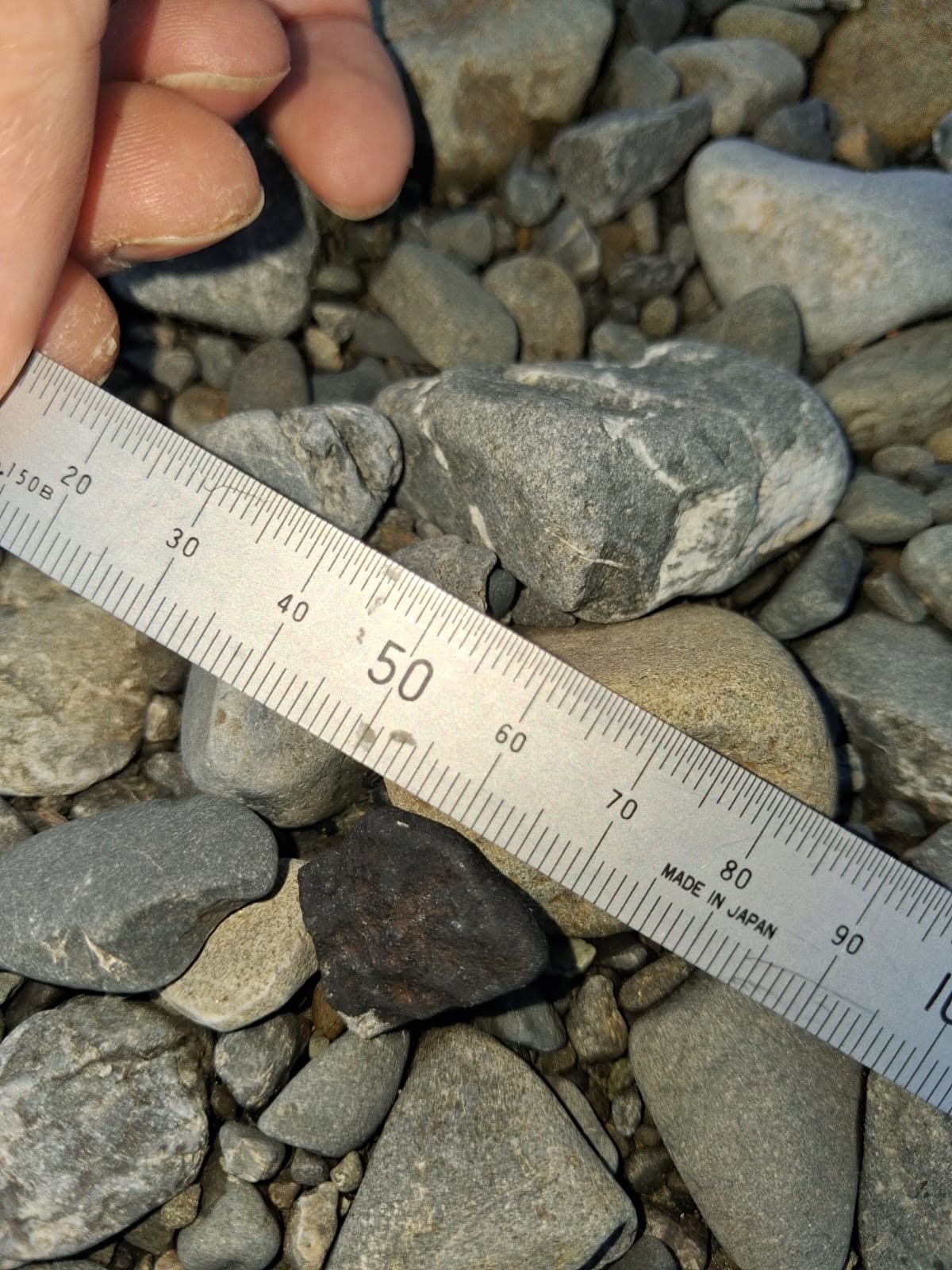
Small meteorite specimen, maybe the 9-gram mass. Photo: Don French
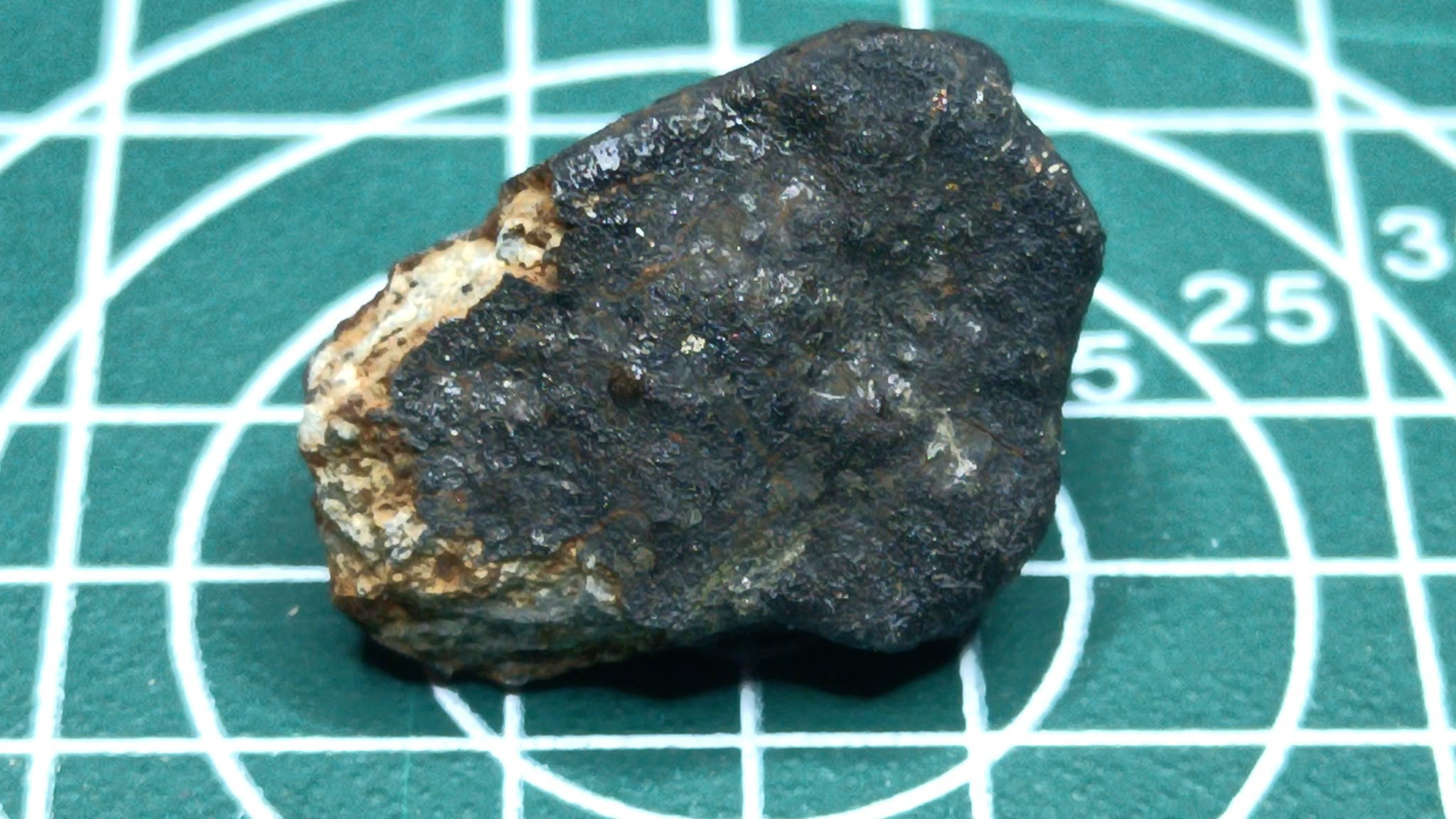
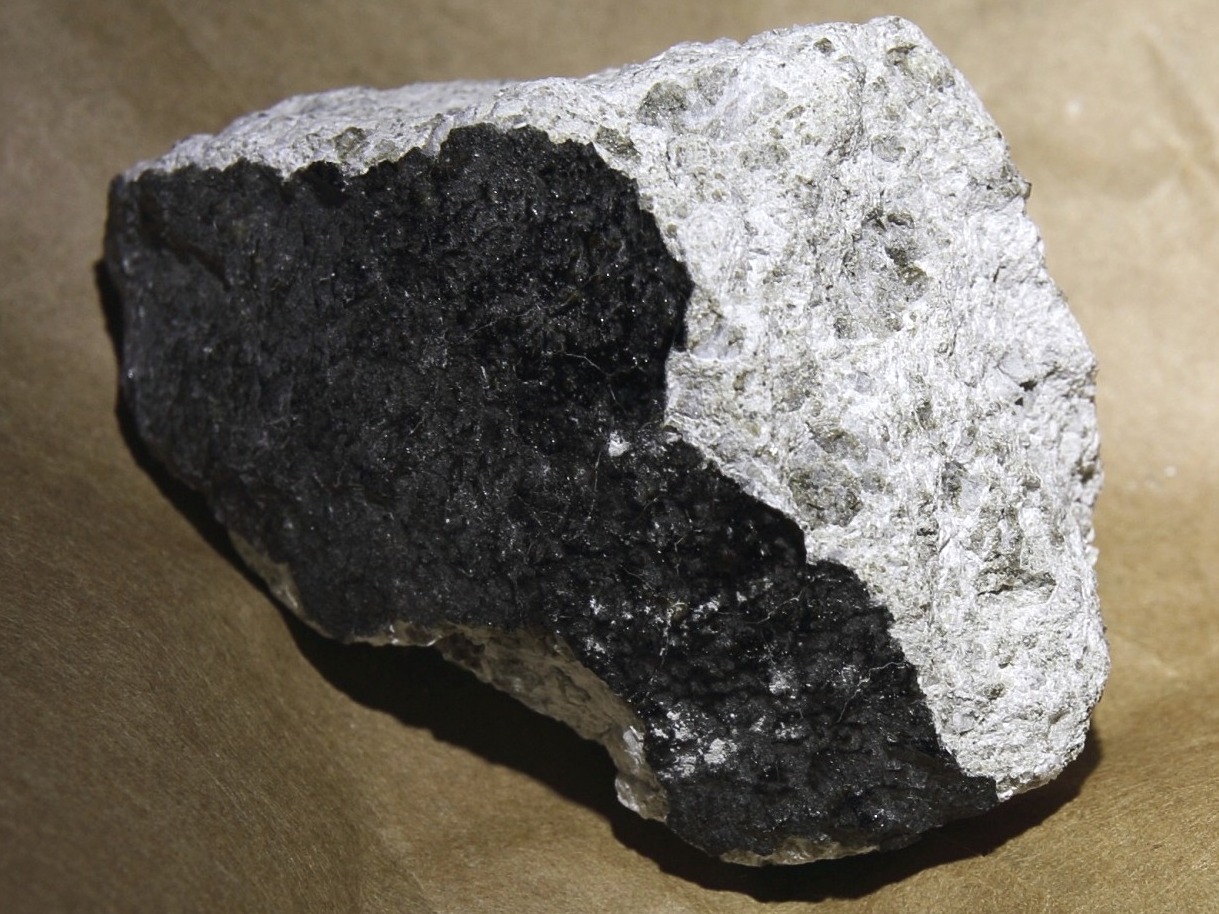
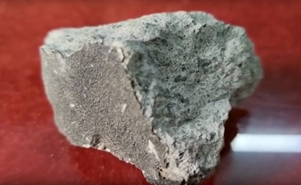
A mass reportedly found on 7 August 2026. Photo: Fab Lab Masterton
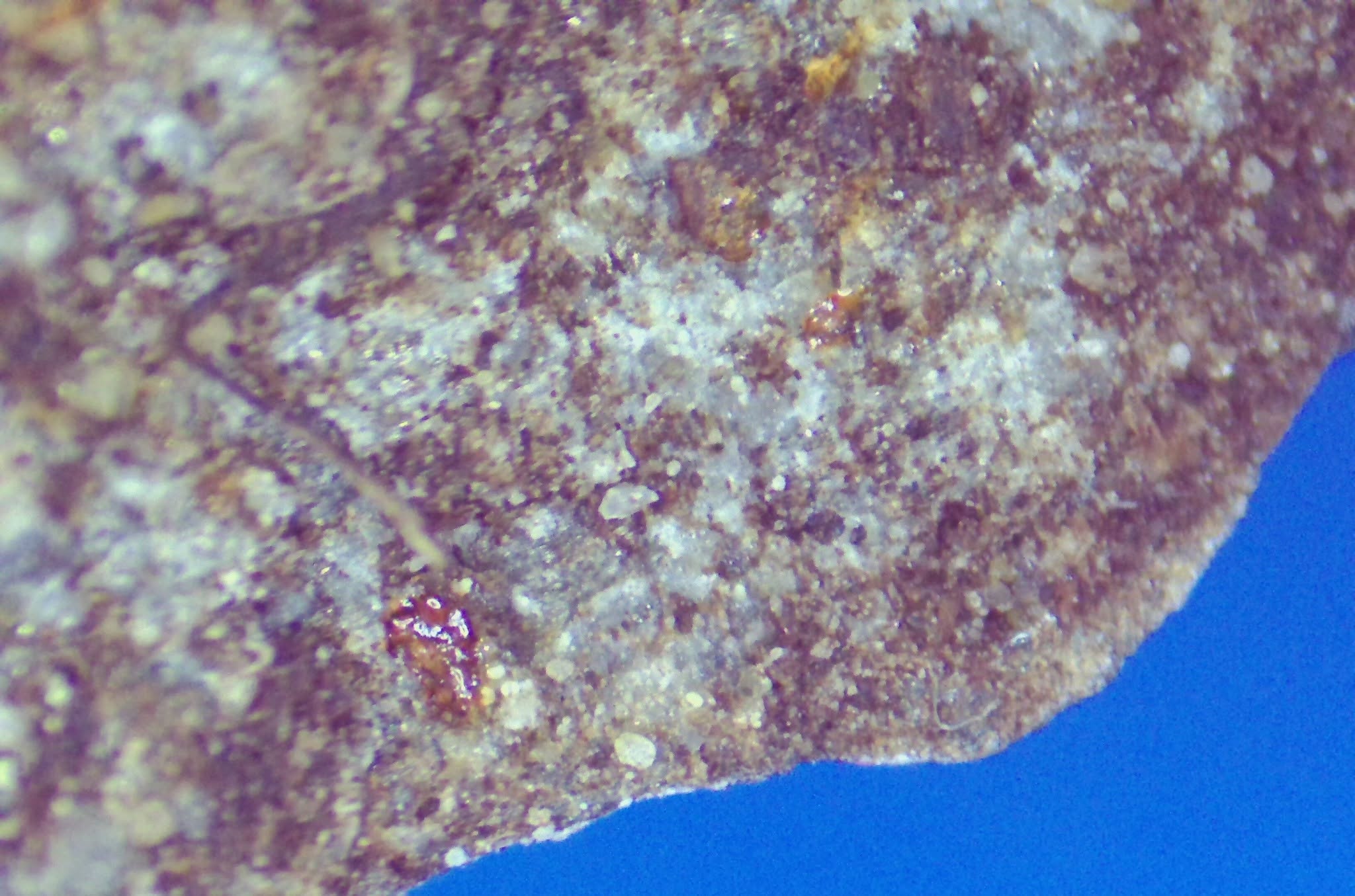
Close-up of the lithology of a mass reportedly found on 7 August 2026. Photo: Fab Lab Masterton
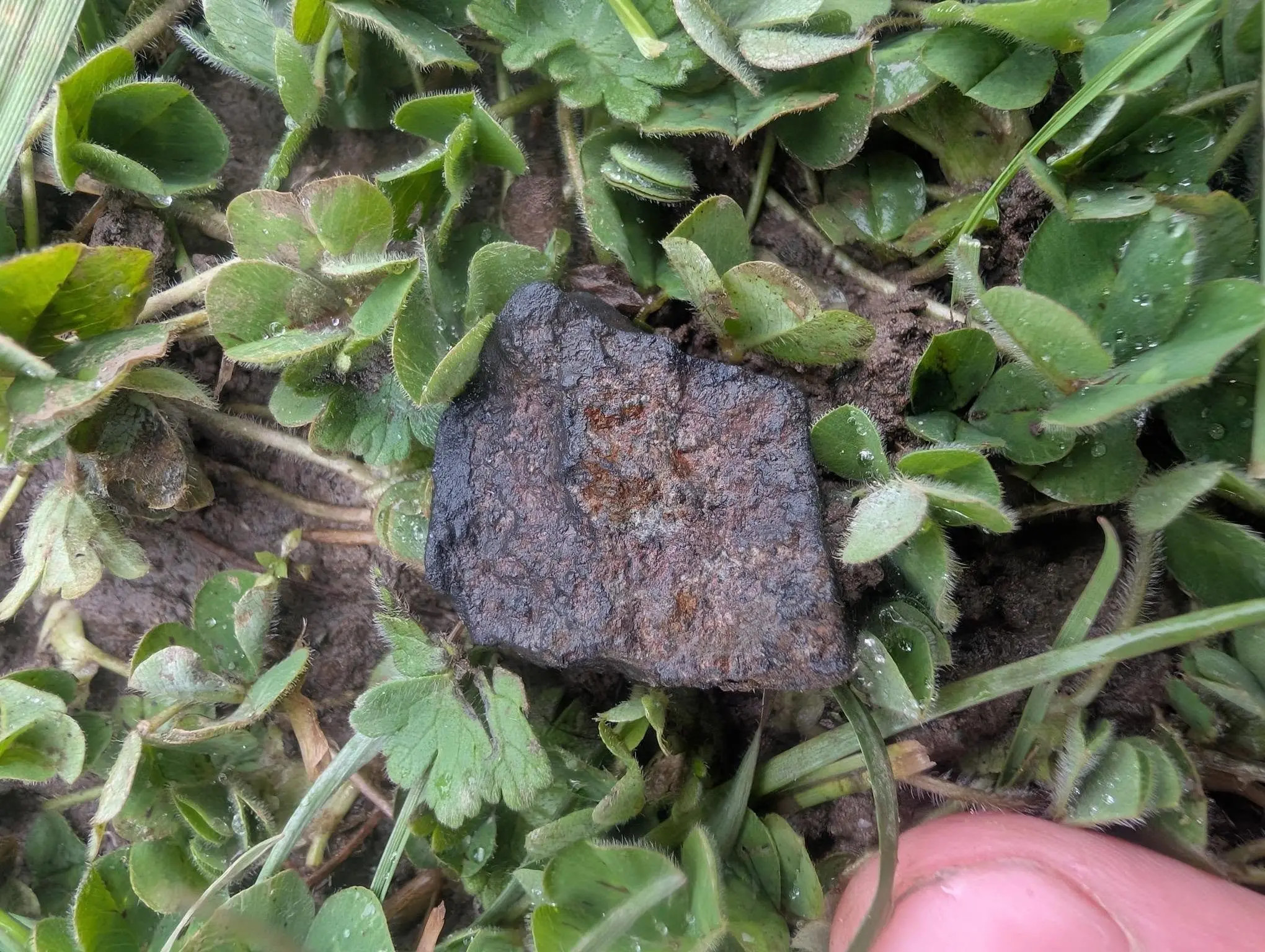
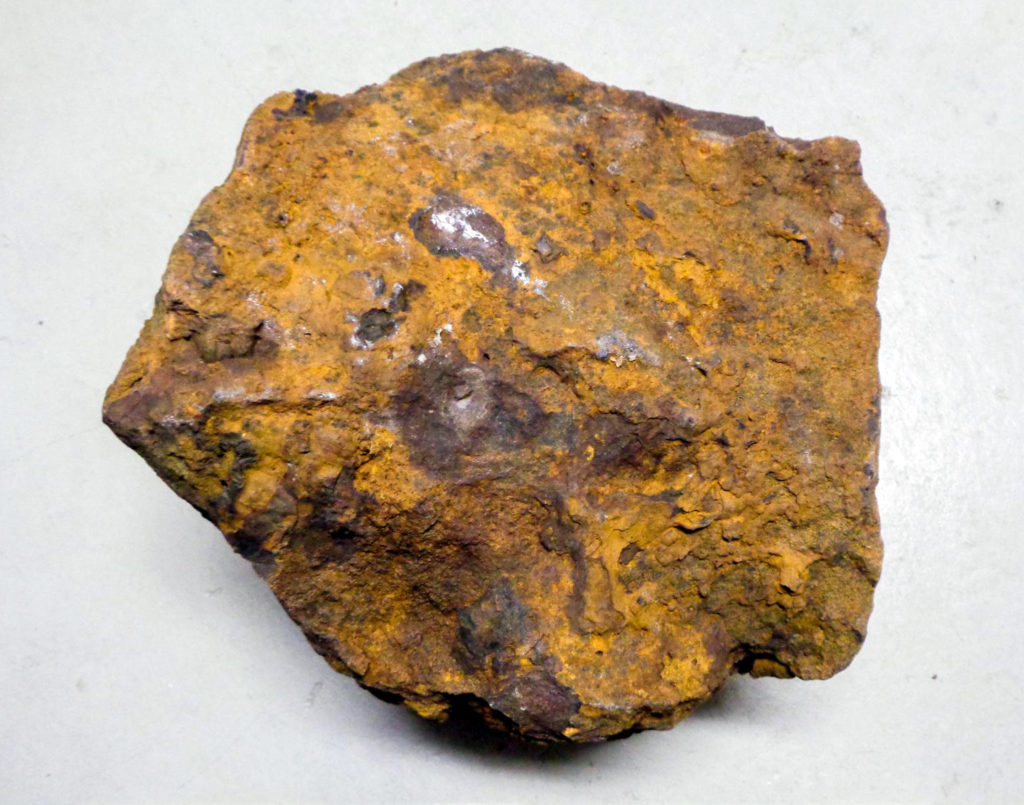
Specimen found on a paddock. Photo: Fireballs Aotearoa
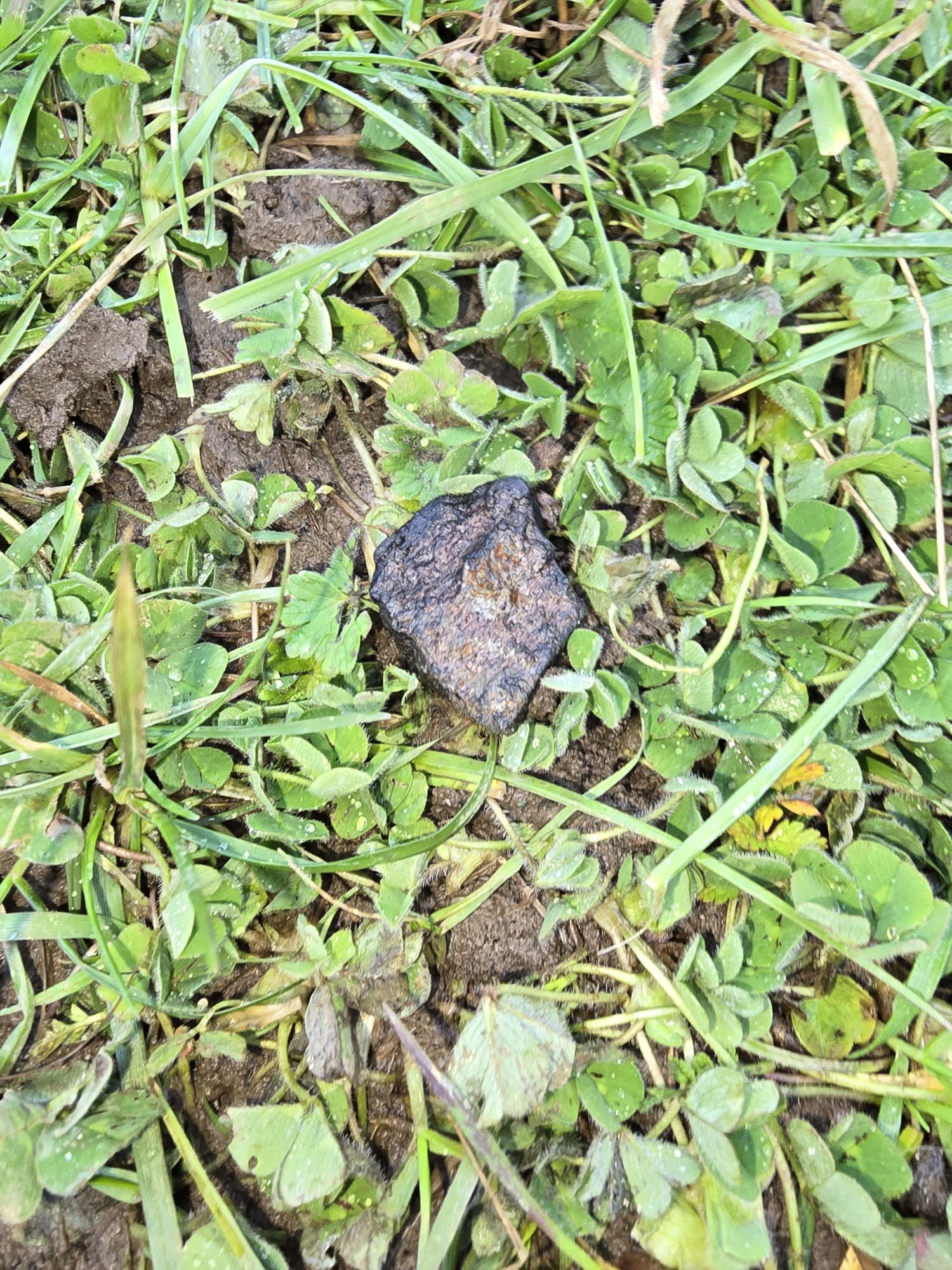
Specimen found on a paddock. Photo: Don French
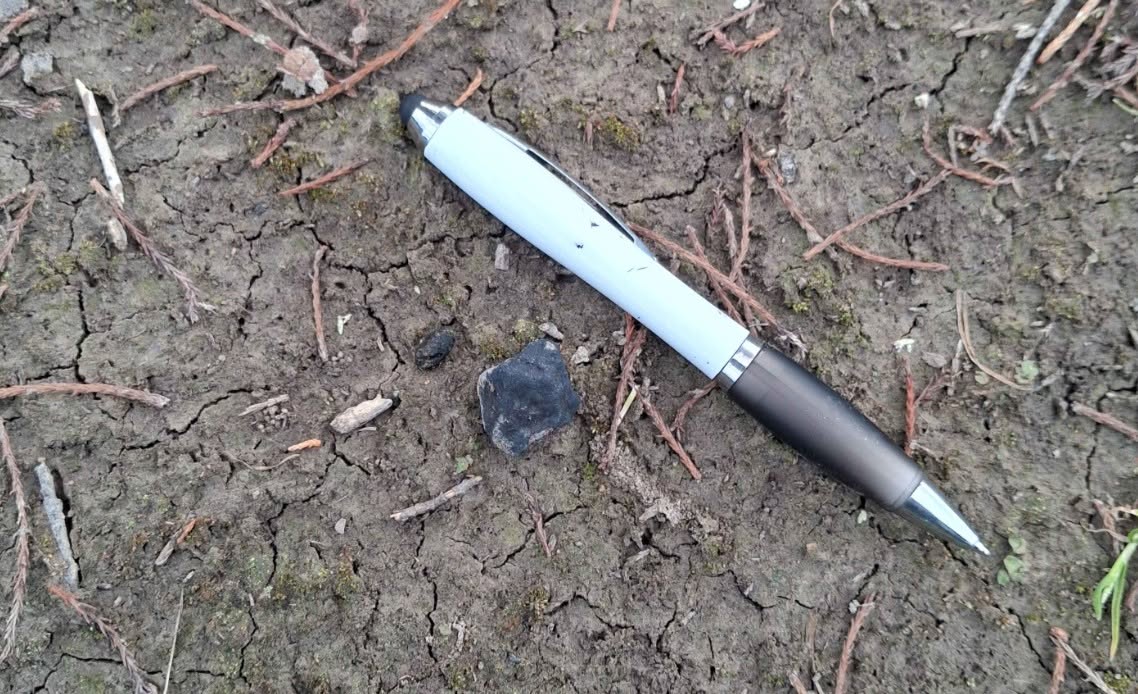
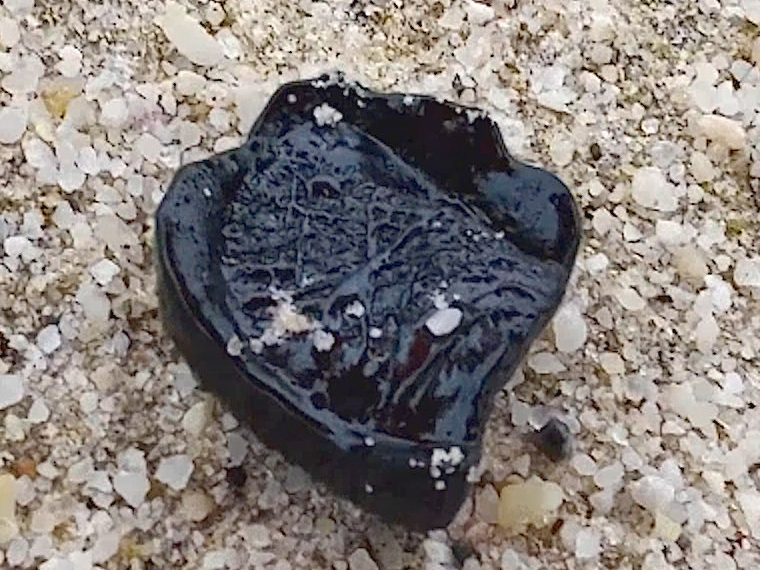
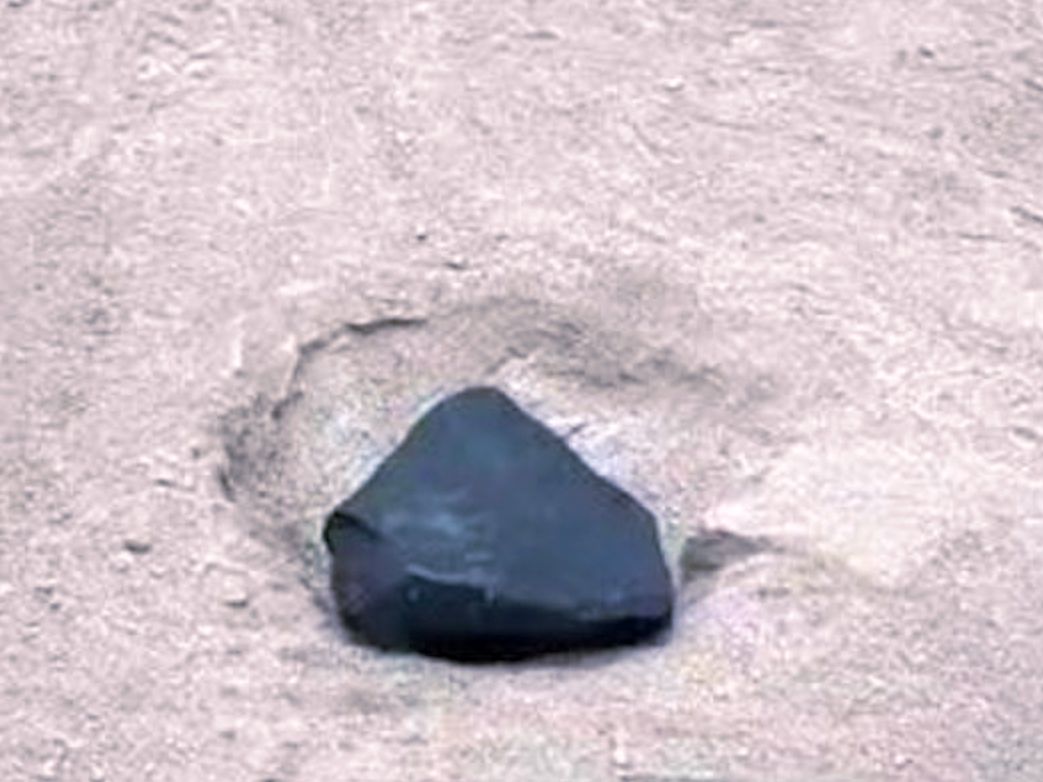
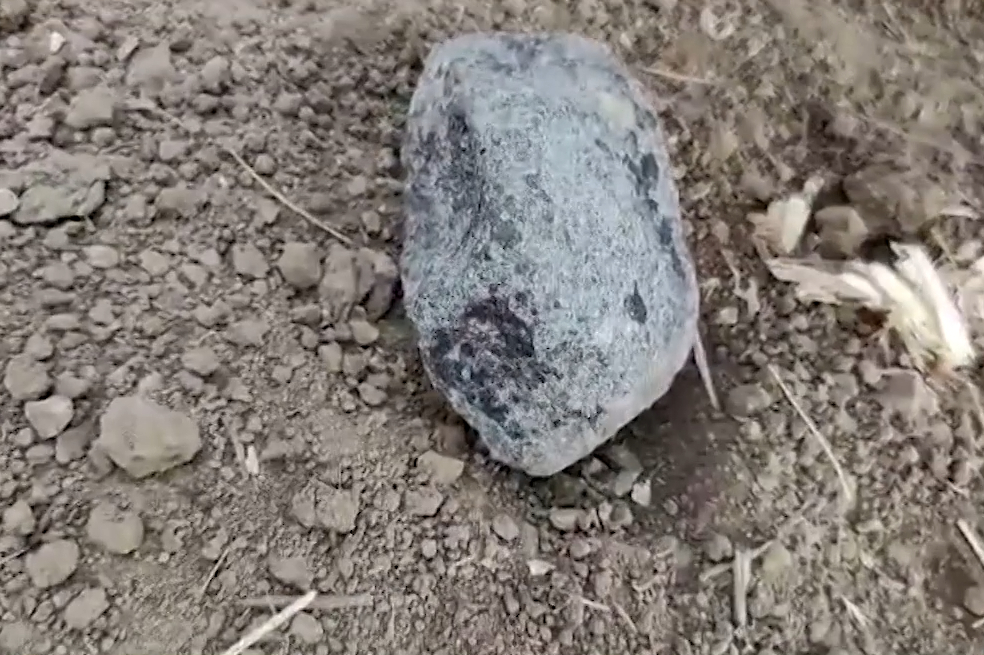
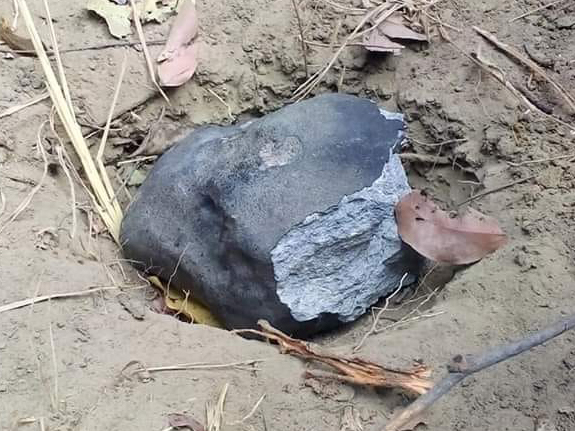
The 8-gram find in situ. Photo: Steve Wyn-Harris
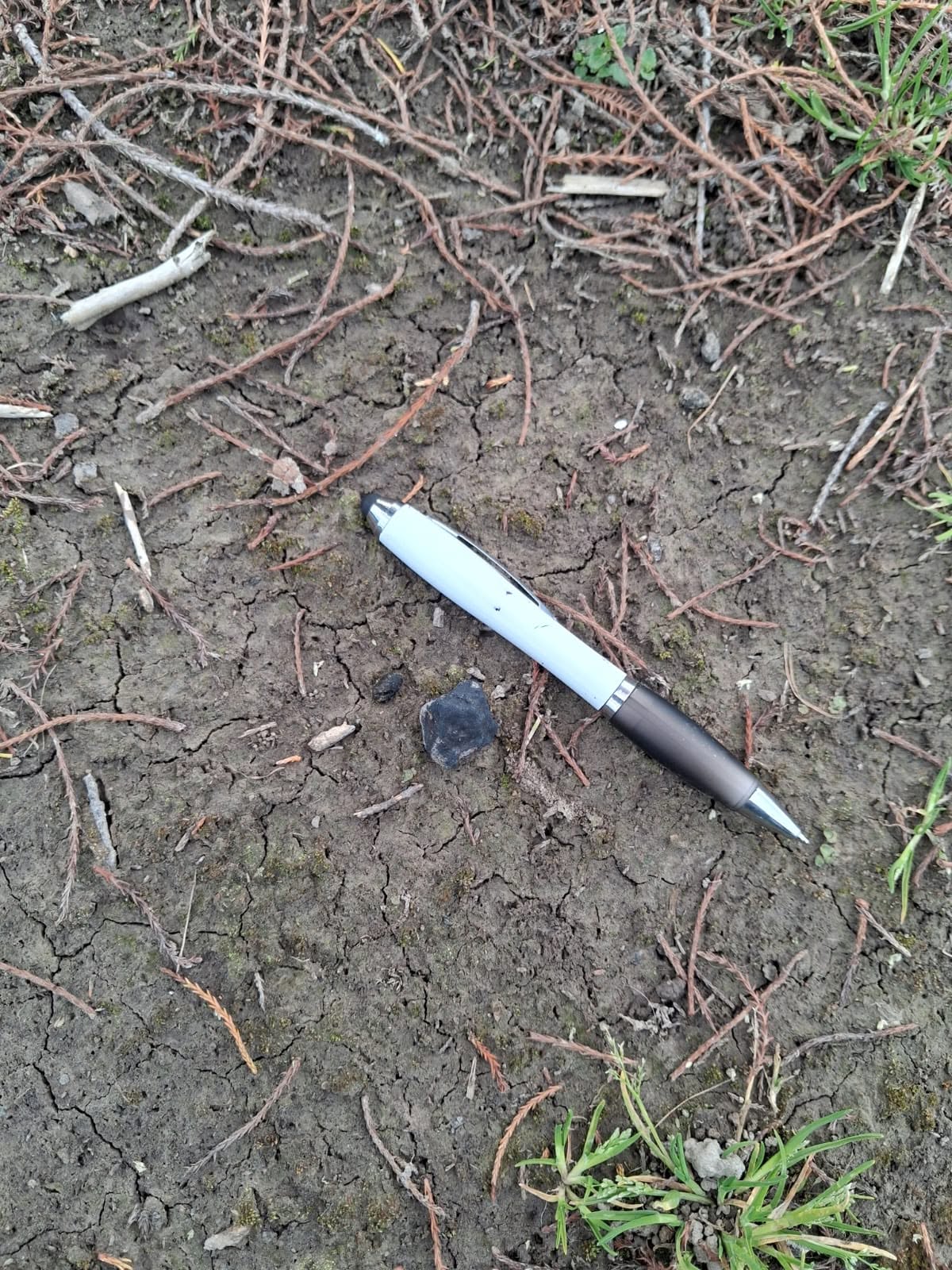
The 8-gram find in situ was found by Steve Wyn-Harris near the riverbank of Ruamāhanga River, on 31 July 2026 after about 30 to 40 minutes of searching. When found Steve Wyn-Harris initially did not consider it to be a meteorite. Later a kitchen magnet was put on it, something which should be avoided at all costs by any finders of meteorites because it alters possible paleomagnetic signatures inside the meteorite. With fresh meteorite falls a simple visual inspection is enough to decide whether a found specimen is a meteorite or not. Photos: Steve Wyn-Harris and Don French
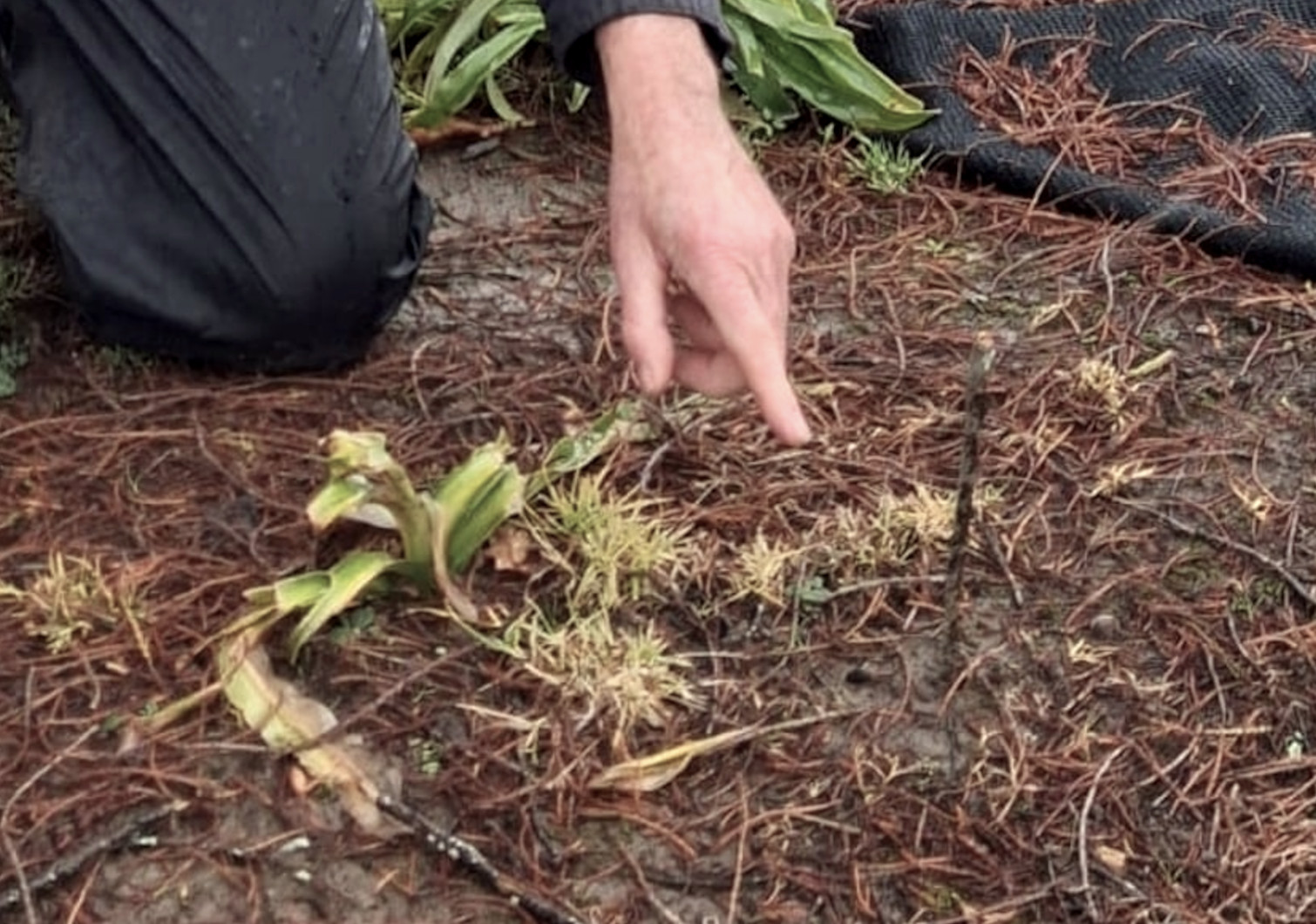
Steve Wyn-Harris pointing at the find location of a meteorite, most likely the one of his 8-gram find. Photo: Fireballs Aotearoa/Steve Wyn-Harris
The bolide
The bolide recorded from Toatoa, rural Ōpōtiki (Bay of Plenty). Video: David Greig (Fireballs Aotearoa)
Bolide captured by two PRIMO cameras on New Plymouth Powerstation Chimnay (mountain view) and Boars Head Mine Track (west view) in the Kaitake Range. Videos: PRIMO
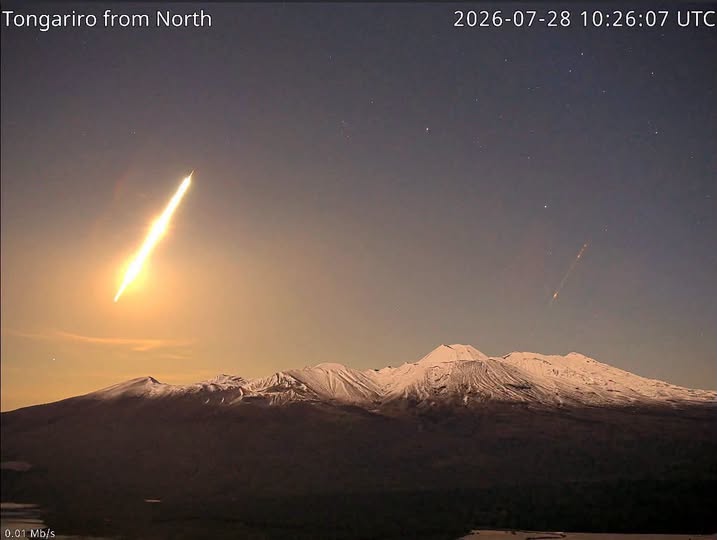
The bolide above Mount Ruapehu and Mount Tongariro, 6-second stacked photo, recorded by a volcano camera trained on Mount Tongariro and Mount Ruapehu on the central plateau. Photo: GeoNet
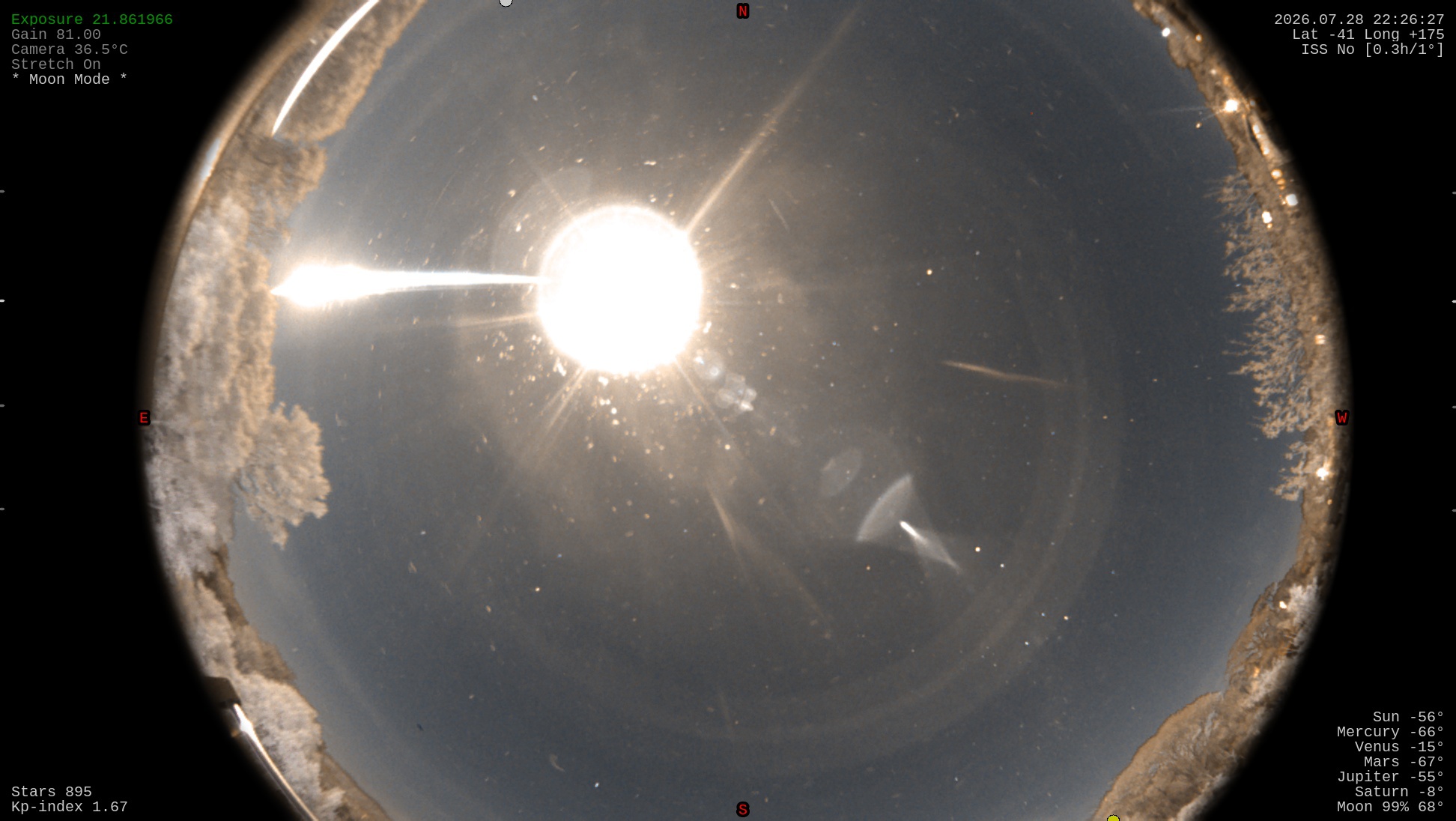
The bolide captured with a MallinCam All Sky Cam from Lower Hutt in the Wellington region of New Zealand. Photo and Video: SparkyNZL
End of the luminous trail, recorded from location 41°07’44.6″S, 175°04’02.6″E in Upper Hut. Video: Brewtown Upper Hutt
End of the luminous trail, recorded by ‘Anton from Wellington’. Video: ‘Anton’ via ‘Marcus Lush Nights’
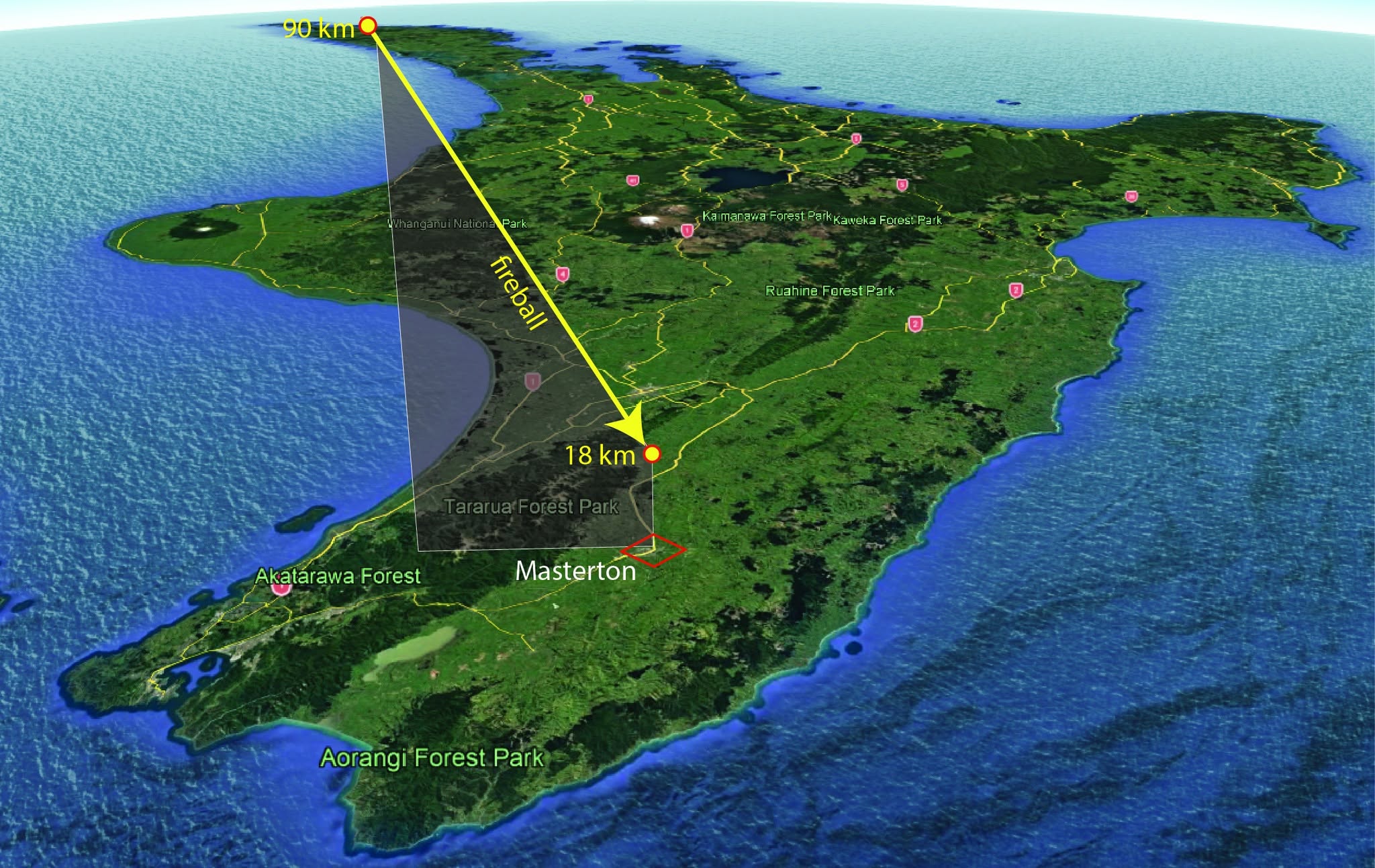
The bolide’s atmospheric trajectory. Image: Fireballs Aotearoa
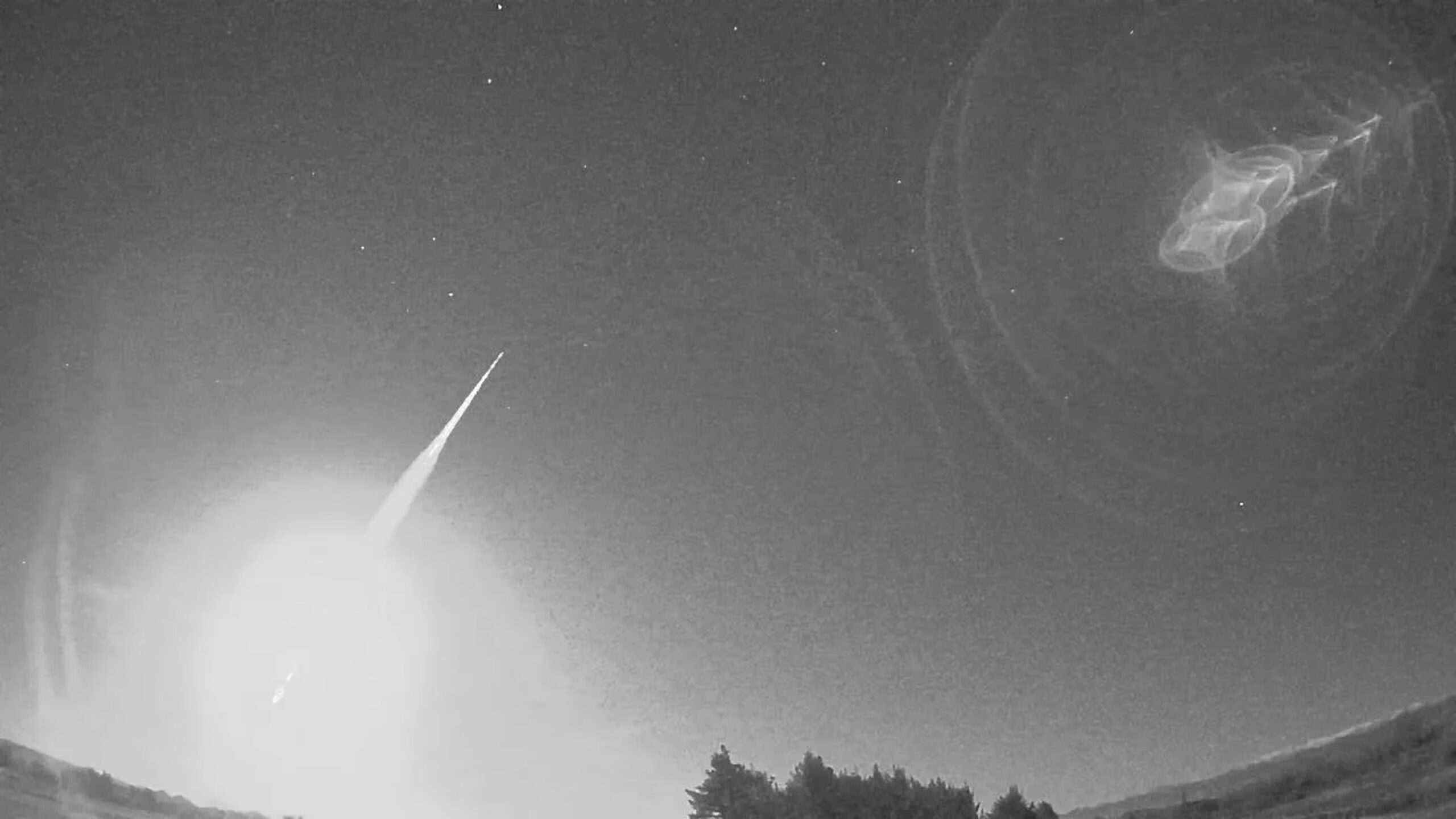
Bolide above Hawke’s Bay. Photo: Fireballs Aotearoa
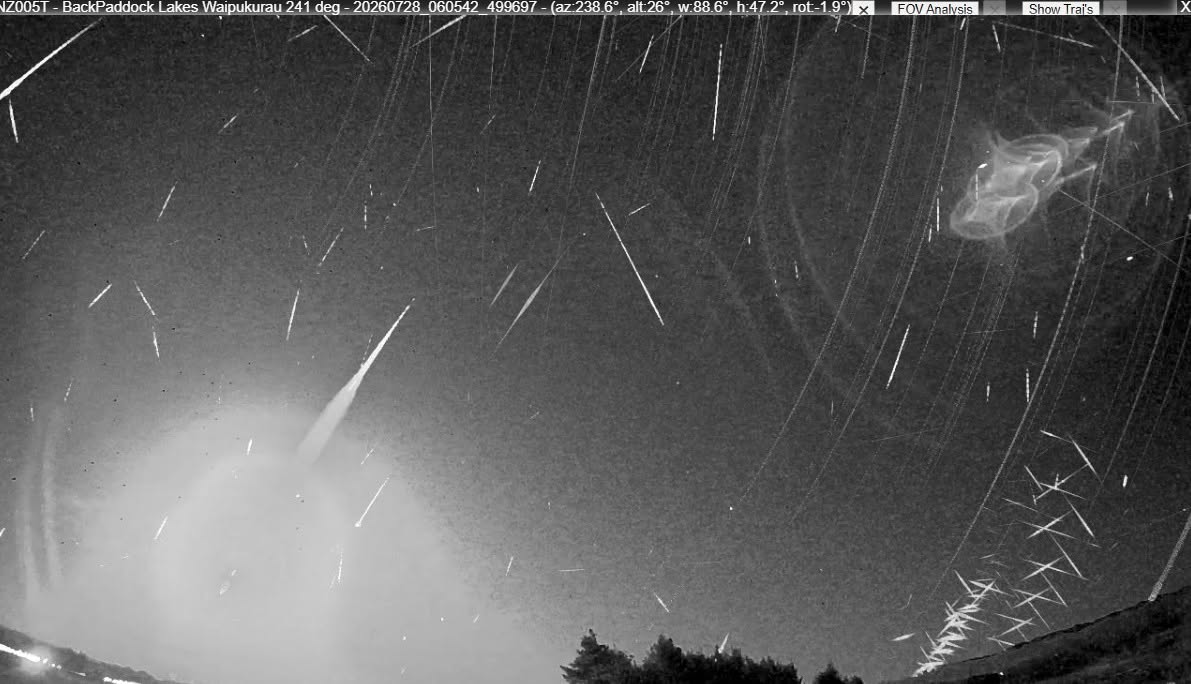
A stacked night footage from one of the Fireball Cameras showing the meteor. Photo: Fireballs Aotearoa Backpaddock Lakes NZ005T camera
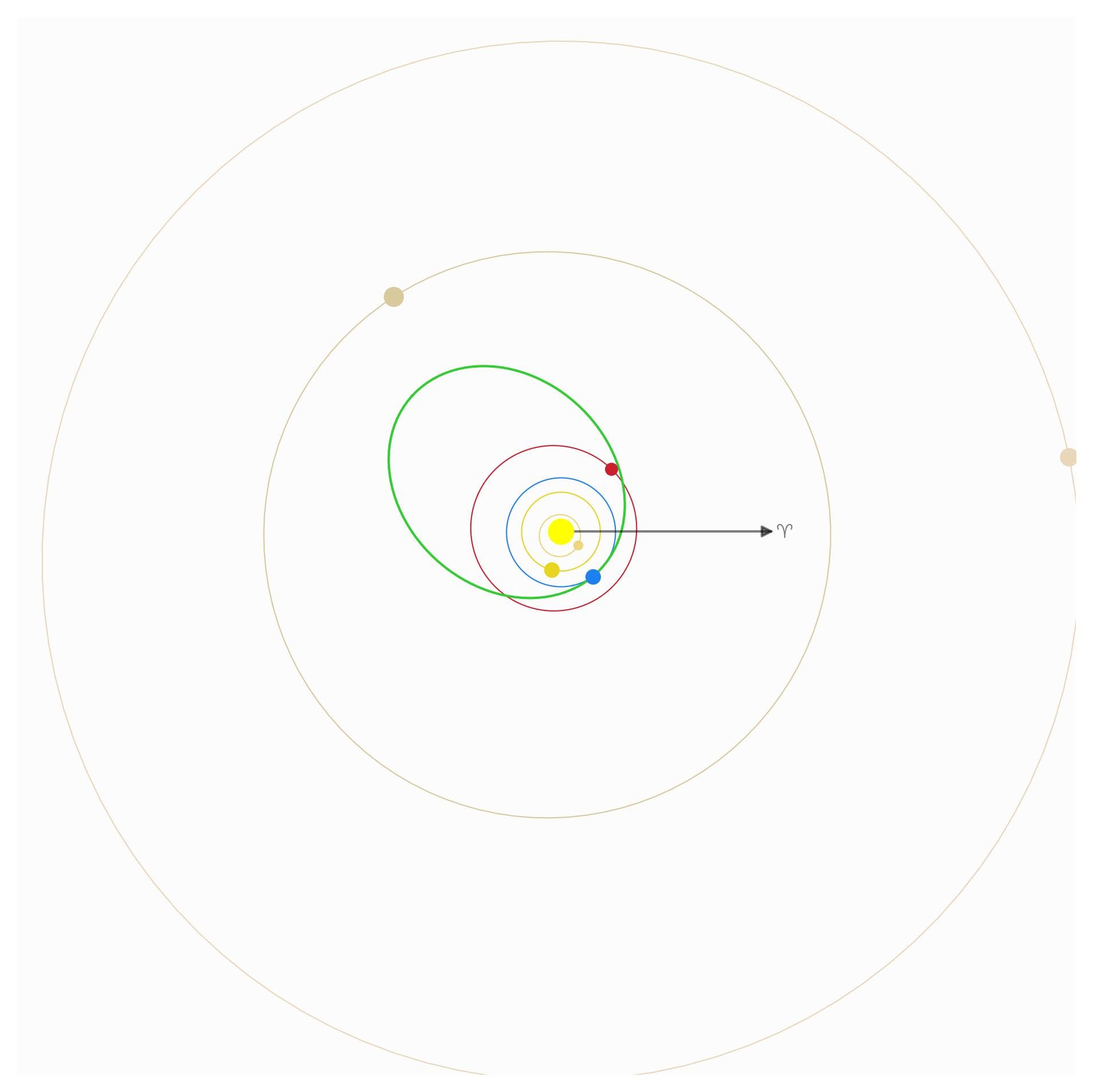
“Calculated orbit of the rock (green) immediately before it crashed into Earth. The path shows that it was derived from between Mars (red) and Jupiter (pale brown), which is the Asteroid Belt. Earth is blue.” Image: Fireballs Aotearoa.