A new pair of lunar gabbroic meteorites record magma recharge at ∼ 3.0 Ga
P.Y. Li, Y. Jiang, K. Zhao, S.Y. Liao, X.C. Che, X.R. Zhang
Geochimica et Cosmochimica Acta, In Press, Journal Pre-proof, Available online 28 February 2026
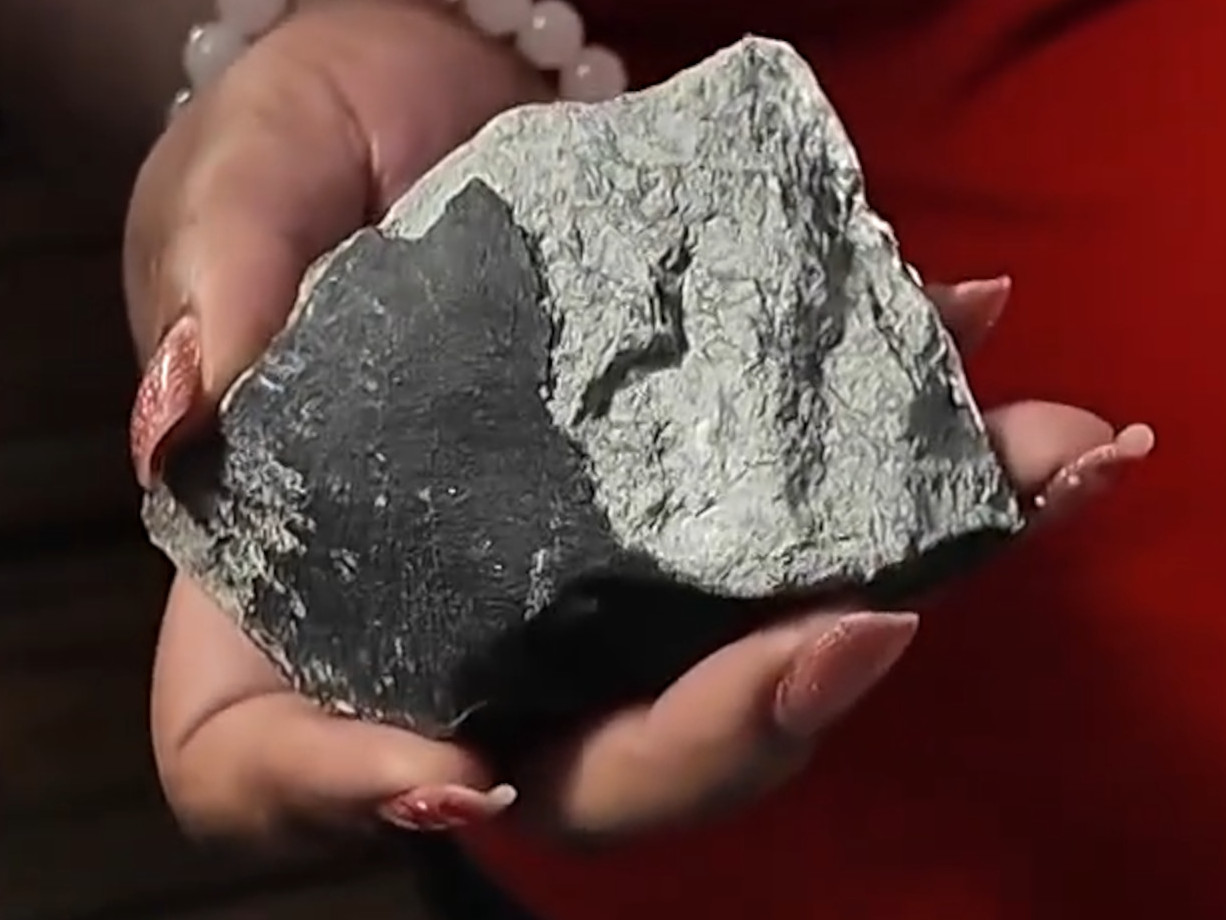
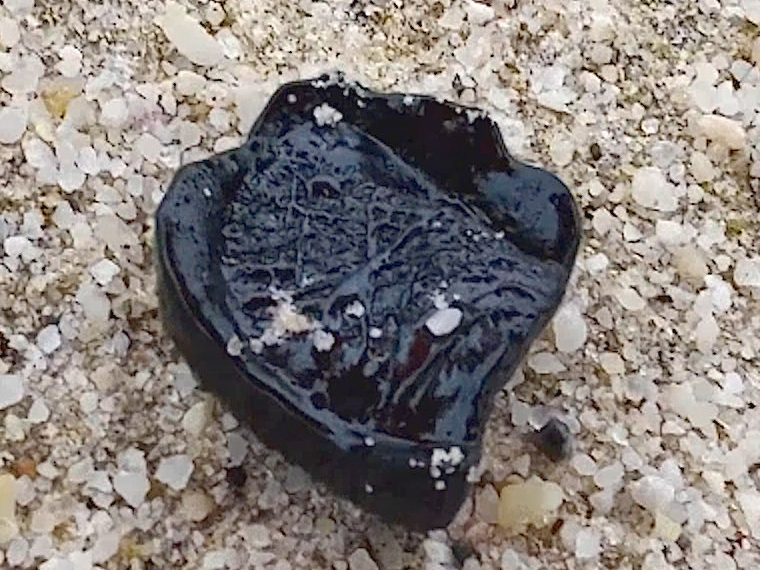
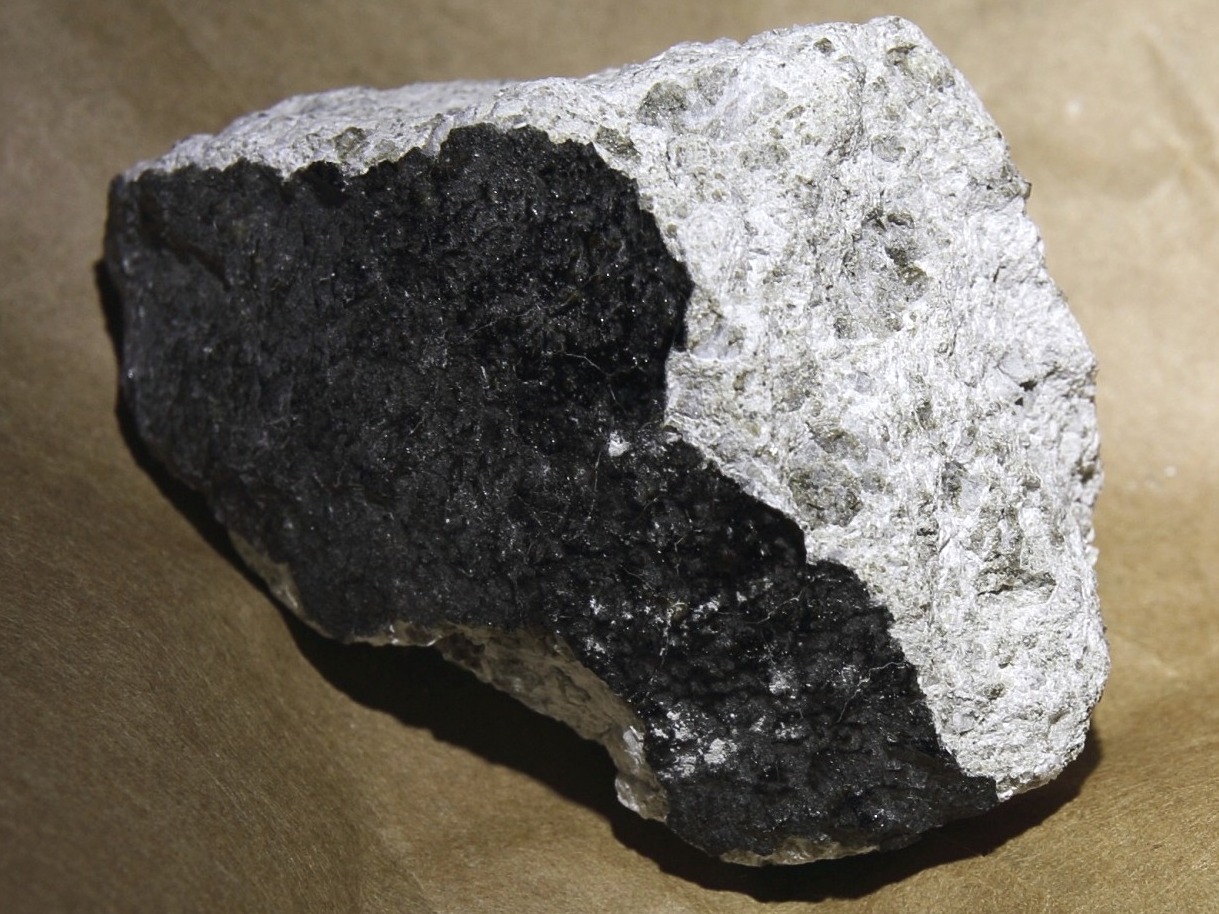
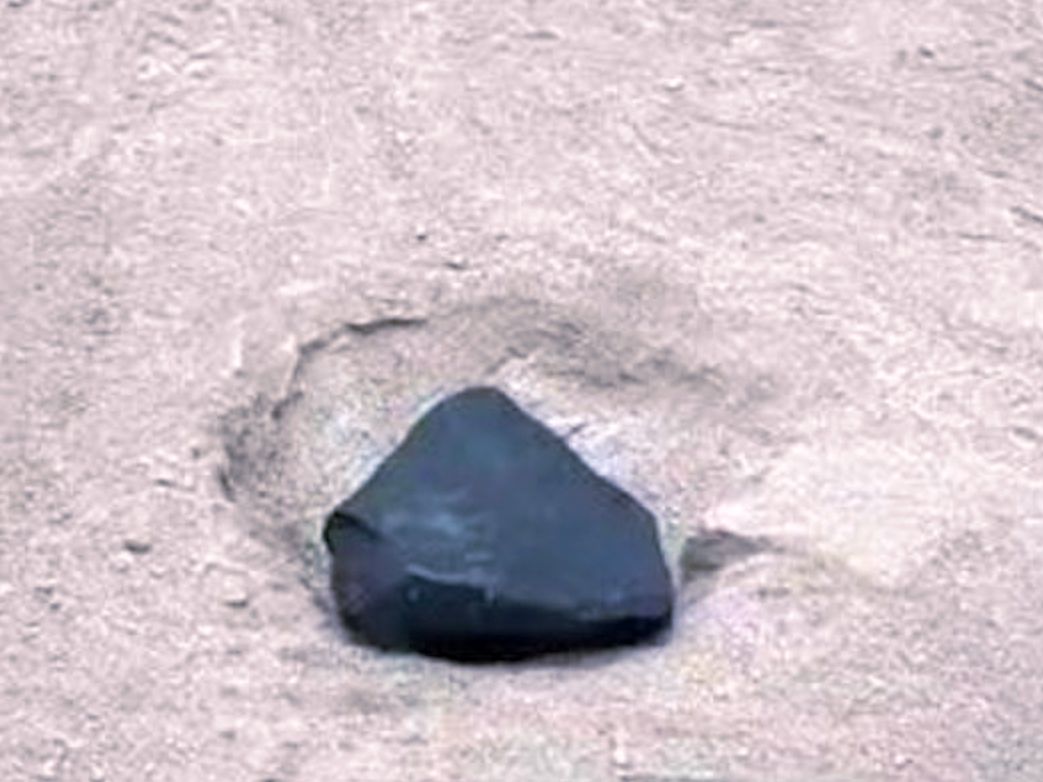
“Young lunar basalts provide crucial insights into the Moon’s post-peak thermal evolution, yet their dynamic magmatic processes remain poorly constrained by limited petrologic evidence. Northwest Africa (NWA) 14,526 and NWA 14992 are two recently collected, unbrecciated low-Ti lunar basaltic meteorites. This work presents detailed petrologic, mineralogic, geochemical, and chronological studies, indicating that they are two new launch-paired gabbroic meteorites. Both samples exhibit a unique lithologic dichotomy composed of Mg-rich and Fe-rich regions. Mg-rich regions display a gabbroic-like texture with relatively primitive minerals (e.g., olivine Fa43-59) and an absence of late-stage phases, while Fe-rich regions exhibit a subophitic-like texture, characterized by relatively evolved minerals (e.g., olivine Fa59-91) and abundant late-stage minerals and phases. Plagioclases in Mg-rich regions have higher anorthite contents (An84-94) but lower degree of amorphization compared to those (An73-87) in Fe-rich regions. The bimodal maskelynitization of plagioclase, documented here for the first time in lunar basalts, is incompatible with the established inverse relationship between An content and the threshold pressure required for maskelynitization, and can be attributed to the heterogeneous distribution of shock pressure, driven by the distinct mineral assemblages and modal abundances between two regions. In-situ SHRIMP U-Pb dating of apatite in NWA 14992 gives a crystallization age of 3011 ± 34 Ma (2σ). Based on resorption textures and chromium step zoning in pyroxenes, as well as other evidences for an open system, we propose that the lithologic dichotomy recorded in NWA 14526 and NWA 14992 provide clear evidence for magma recharge within the Moon. This offers another valuable window into dynamic magmatic processes and indicates that lunar magmatic systems at ∼ 3.0 Ga were more dynamic than previously recognized. Based on mineralogic and bulk-rock geochemical similarities, NWA 14526 and NWA 14992 probably share a source-crater pairing relationship with ∼ 3.0 Ga low-Ti basaltic meteorites.”