Molecular inventory and comparative organic profiling of a homogenized aggregate sample from asteroid (101955) Bennu
José C. Aponte, Denise K. Buckner, Angel Mojarro, Jamie E. Elsila, Jason P. Dworkin, Daniel P. Glavin, Harold C. Connolly, Dante S. Lauretta
Geochimica et Cosmochimica Acta, In Press, Journal Pre-proof, Available online 28 February 2026
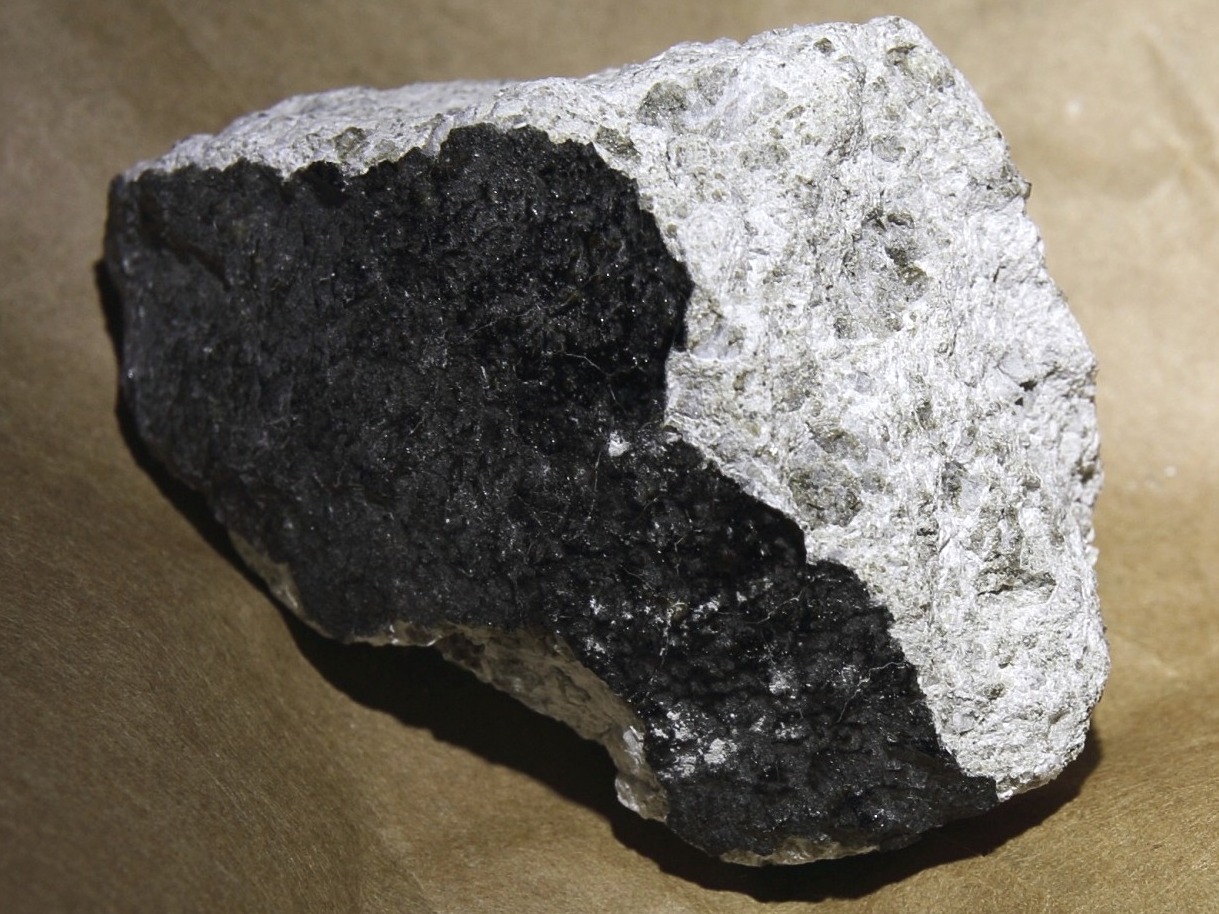
“Evaluating the distribution and diversity of solvent-soluble organic molecules in extraterrestrial materials provide information about the physicochemical environments where prebiotic chemistry occurred and is essential for assessing the inventory of prebiotic compounds available to the early Earth. In this work, we conducted a comprehensive molecular characterization of solvent-soluble organic compounds in a homogenized aggregate sample (ID: OREX-800107–128) of unsorted regolith from asteroid (101955) Bennu returned by NASA’s OSIRIS-REx mission. Using two-dimensional gas chromatography coupled with high-resolution time-of-flight mass spectrometry (GC × GC-HRMS), we identified 87 organic compounds across several molecular classes, including alkanes, polycyclic aromatic hydrocarbons, and nitrogen-, oxygen-, and sulfur-bearing species. Comparison with the organic inventory of CI (Orgueil), C2-ungrouped (Tagish Lake and Tarda), and CM2 (Murchison) carbonaceous chondrites revealed that Bennu sample OREX-800107–128 is most similar to Tagish Lake and Tarda yet compositionally distinct from all of these meteorites. This Bennu sample exhibits a relatively high abundance of low-molecular-weight aromatics (e.g., toluene), pyridine derivatives, and sulfur species such as dimethyl sulfite, consistent with episodic low-temperature aqueous alteration. The presence of these organic compounds suggests that this material experienced chemically diverse processes in the parent body conducive to complex organic synthesis, including aldol condensation reactions responsible for N- and O-bearing compounds. We also compared the molecular distributions of this Bennu sample and previously analyzed samples from (162173) Ryugu to assess potential common origins between these two carbonaceous asteroids. Bennu shows more chemically diverse and nitrogen-rich organic materials than Ryugu. While both asteroids share broadly similar primitive compositions, the observed chemical differences indicate distinct evolutionary histories within a likely common formation environment though whether Bennu and Ryugu derive from a single compositionally heterogeneous parent body or from multiple closely related progenitors remains unresolved. Further detailed comparative analyses of material from Bennu, Ryugu, and specific carbonaceous meteorites (e.g., Tagish Lake and Tarda) will provide new insights into how the N-rich molecular profile observed in Bennu samples was formed and evolved in the outer Solar System.”