Direct Molecular-scale Insight into Soluble Organic Matter from the Murchison and Aguas Zarcas Meteorites Enabled by 21T FT-ICR MS and Single-molecule HR-AFM ImagingOPEN ACCESS
Joseph W. Frye-Jones, Martha L. Aguilera, Percy Zahl, Alan G. Marshall and Ryan P. Rodgers
The Planetary Science Journal, Volume 7, Number 9
LINK (OPEN ACCESS)
PDF (OPEN ACCESS)
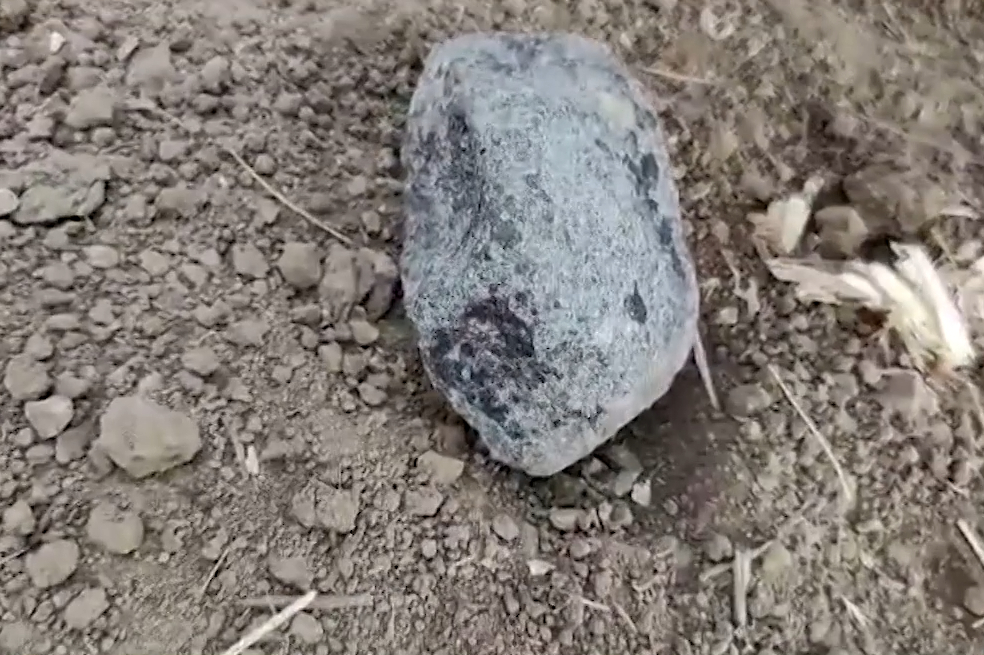
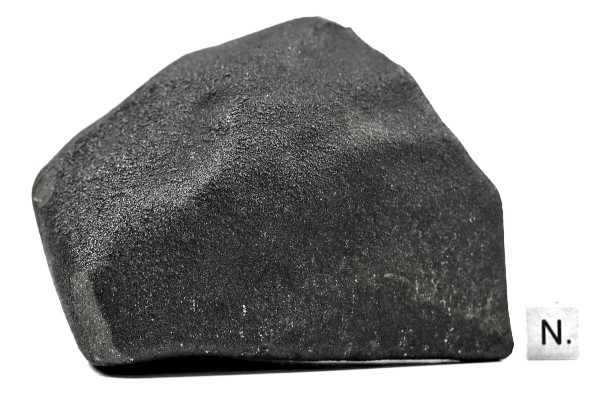
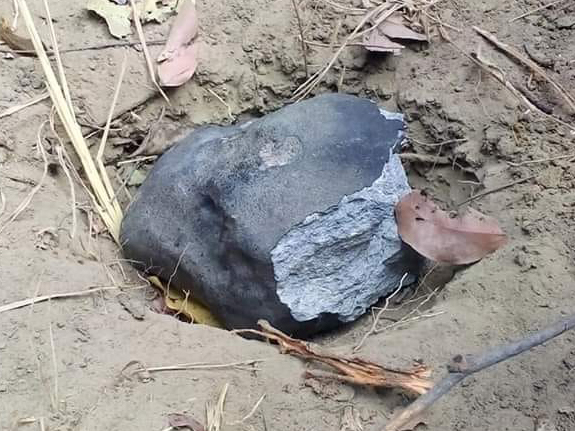
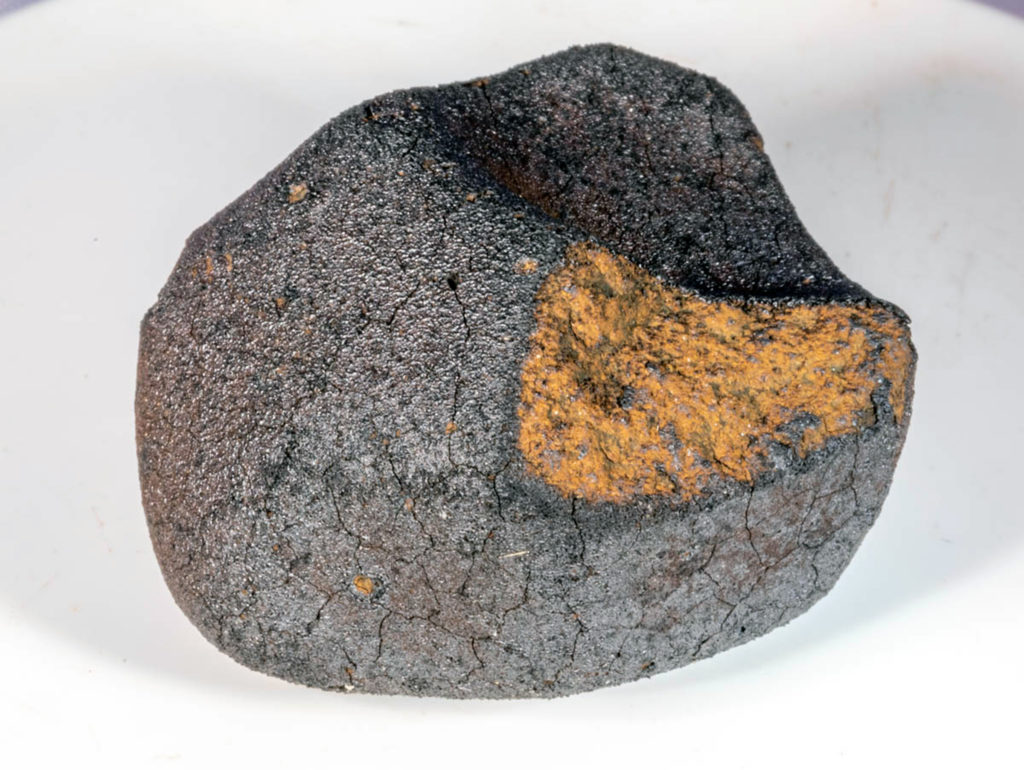
“Organic material in the Murchison and Aguas Zarcas meteorites preserves molecular records of early solar system chemistry and potential precursors to life. Here, we present an ultra-wide-mass-range molecular analysis of their soluble organic matter (SOM), complemented by high-resolution structural imaging, revealing large and complex soluble hydrocarbon molecules, including Fe-bearing species extending to carbon numbers above C35. We employ polarity-graded sequential solvent extraction combined with 21 Tesla Fourier-transform ion cyclotron resonance mass spectrometry (21T FT-ICR MS). More polar solvents preferentially extract heteroatom-rich, more aliphatic compounds, whereas nonpolar solvents enrich lower-heteroatom, more aromatic species. Over 18,000 molecular formulas were assigned per extract, with mass errors below 80 ppb, sorted into CHO, CHNO, CHNOS, and CHOMg classes. Carbon numbers range from C10–C70, with oxygen contents up to O20. Differences in Fe-associated molecular populations between Murchison and Aguas Zarcas indicate distinct metal-organic interaction regimes. Negative-ion electrospray ionization (ESI) highlights abundant oxygenated species, with the acidic O2 class comprising up to 20% of assigned formulas. In assisted positive-ion ESI, NyOx species dominate, and extensive sodium adduct formation is observed. Organomagnesium compounds are detected primarily in methanol extracts for Murchison and in chloroform extracts for Aguas Zarcas. Aromaticity increases with decreasing solvent polarity. High-resolution noncontact atomic force microscopy (HR-AFM) provides structural images of representative molecules, spanning saturated chains to condensed aromatic cores. The achieved resolution supports detailed structural interpretation and future molecular-level structure determination.”